
Search Wisconsin Genealogy
Wisconsin Genealogy research works best when you treat the state as a network of county offices, city resources, archives, libraries, historical societies, and statewide record systems rather than a single database. Some family lines begin at a register of deeds counter. Others begin in a city directory, a church record, a newspaper file, or an archive index that points to an older county record. Wisconsin gives researchers strong statewide support through the Wisconsin Historical Society, state-level issuance rules for later certificates, and regional archives that cover early local material. If you begin with one name, one place, and one date range, Wisconsin Genealogy becomes much easier to search with purpose.
Wisconsin Genealogy Overview
Wisconsin Genealogy Starting Points
Most Wisconsin Genealogy searches begin in one of three places. The first is a county or city office that holds the direct civil record. The second is a library or archive that helps identify the right family before the civil request is made. The third is a statewide resource that helps bridge county boundaries or early record gaps. A strong search usually moves through all three in order. A county office can confirm the record. A library can explain the family's place. A statewide resource can connect that family to an older or wider paper trail.
Wisconsin's statewide issuance rules are especially important for Genealogy work. Any Wisconsin Register of Deeds can issue births from October 1, 1907 to the present, marriages from October 1, 1907 to the present, deaths from September 1, 2013 to the present, and divorces from January 1, 2016 to the present. That does not erase county differences, but it does mean that later Wisconsin Genealogy work can often begin with a practical statewide copy path while older material still requires county, archive, or library research. That split is one of the most useful facts to keep in mind before you search.
The fee pattern is also consistent enough to plan around. The standard Wisconsin schedule in the research file lists $20 for the first copy and $3 for each additional copy of the same record. When you already know the person and the event year, that makes a direct county or statewide request easier to budget. When you do not yet know the right household or year, it is usually smarter to begin with Genealogy indexes, newspapers, directories, or plat maps and save the copy request for later.
Note: Wisconsin Genealogy works best when the research step comes before the copy request, especially for early or common surnames.
Wisconsin Genealogy State Tools
The Wisconsin Historical Society is the strongest statewide Genealogy resource in Wisconsin. It provides pre-1907 vital-record access, a large Wisconsin Genealogy Index, newspapers, photographs, and other historical collections that can support county work. It is often the first statewide stop when a local office does not provide enough detail on its own. The Wisconsin Historical Society image in the state set links directly to that research path.
This image fits the home page because Wisconsin Genealogy often widens into state historical collections after the local trail has begun.
The Wisconsin vital-record framework is also important, and the Wisconsin Department of Health Services Vital Records page explains that statewide structure. It helps researchers understand what can be issued statewide and what still depends on local timing and office rules.
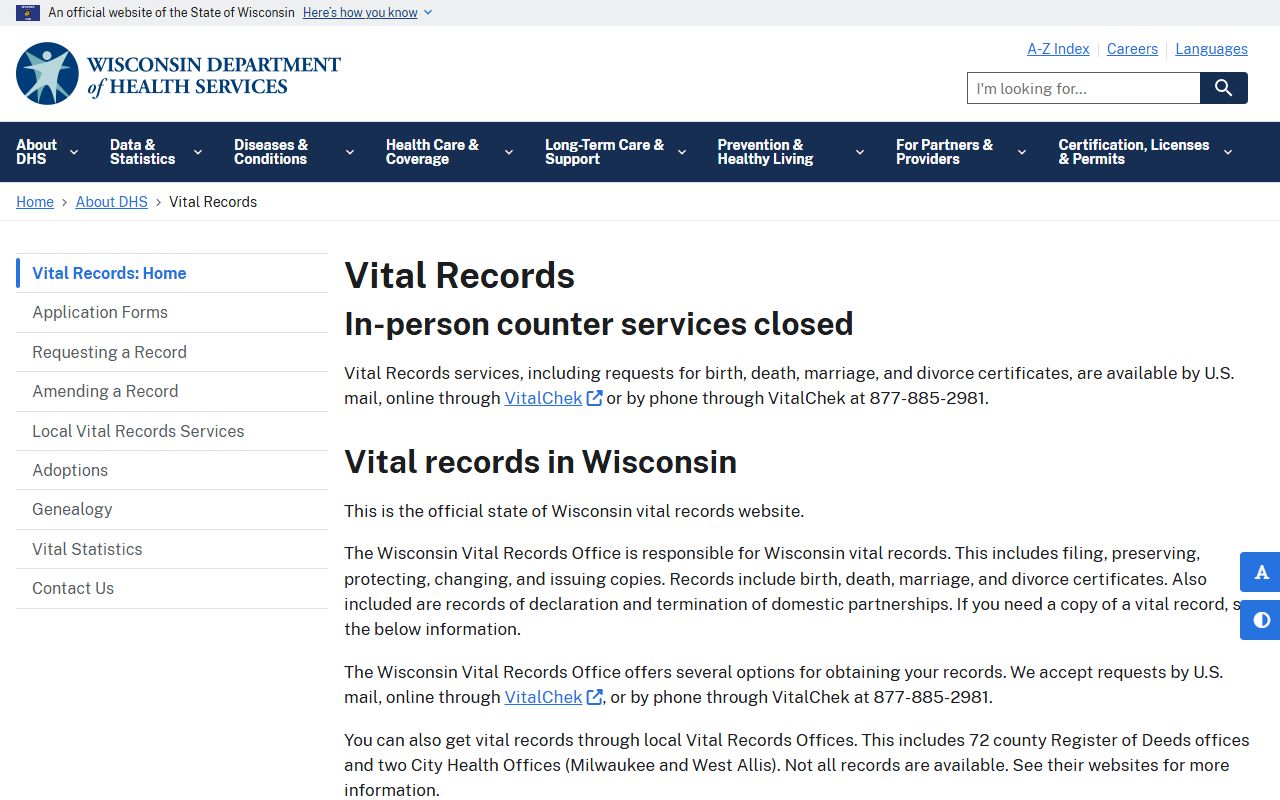
That state support image belongs here because the home page should explain how Genealogy research and record requests connect across Wisconsin.
The Wisconsin State Genealogical Society is another strong statewide support source. It helps researchers with county-by-county methods, surname work, and broader Wisconsin family-history practice when a local search needs one more level of guidance.
This image works well because statewide genealogy guidance can help connect a local record clue to the next county, archive, or historical source.
The BadgerLink platform supports Wisconsin Genealogy through library database access, newspaper resources, and related family-history tools that help before and after a direct record request.
That support image fits the home page because Wisconsin researchers often use library-based databases to narrow a name before paying for a certificate or archive search.
Wisconsin Genealogy Research Paths
Wisconsin Genealogy does not stop at the state office level. Regional and federal tools matter as well. The Library of Congress Wisconsin guide is useful when you need structured local-history direction. The National Archives at Chicago helps with federal military, immigration, and related records that cross state and county boundaries. The BLM General Land Office Records can help place early land ownership and settlement. These are not first-stop sources for every search, but they are often the difference between a short county answer and a usable family line.
The Wisconsin State Genealogical Society also adds an important statewide method layer. It helps connect researchers to county-specific approaches and wider Wisconsin practice. The Wisconsin State Law Library is useful when a record-access question turns into a legal-access or statute question. That is not the same as ordinary family history work, but it matters when a researcher needs to understand how a record can be obtained or why it is limited.
The Library of Congress Wisconsin guide image in the state set links to the Wisconsin local history guide.
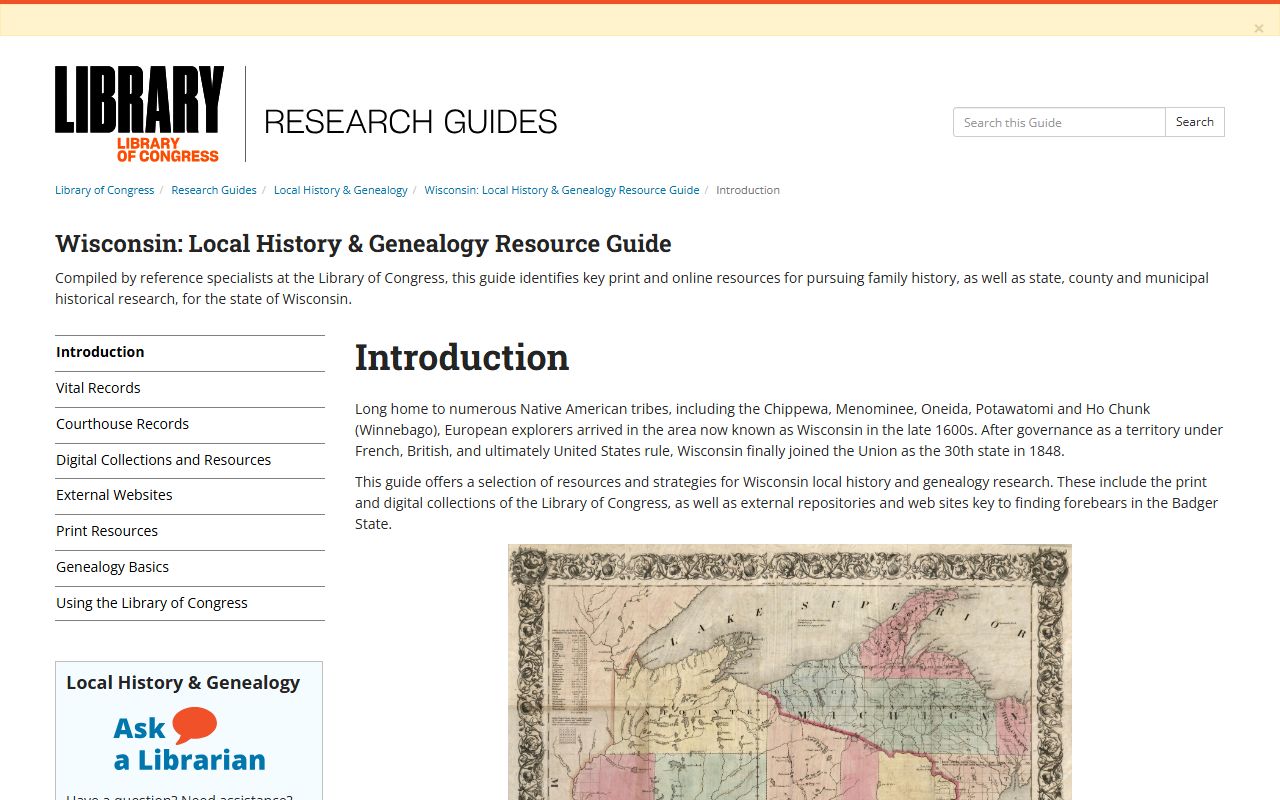
This image belongs on the home page because structured local-history guidance helps researchers decide which Wisconsin source should come first.
The National Archives at Chicago image in the state set links to the regional National Archives page.
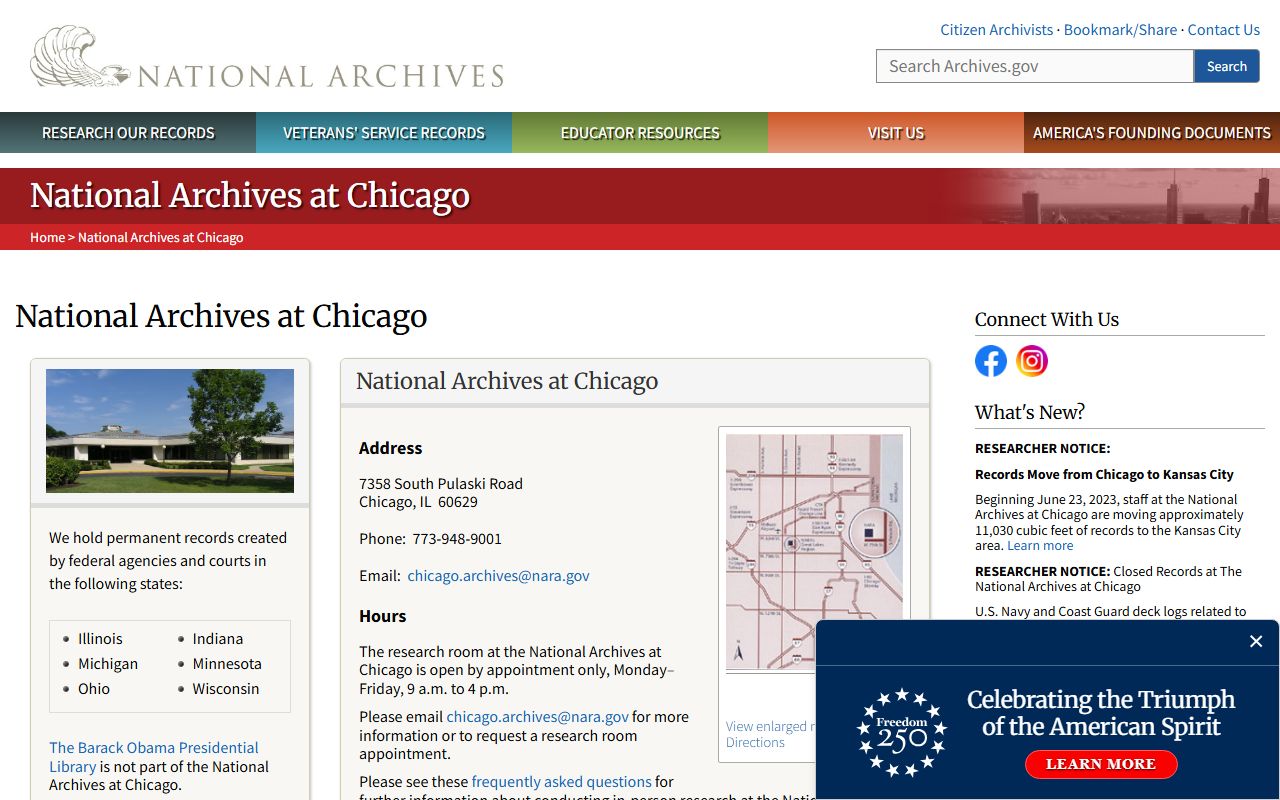
That image fits because Wisconsin Genealogy often widens into military, immigration, or federal records after county and state sources have narrowed the family line.
The BLM image in the state set links to BLM General Land Office Records.
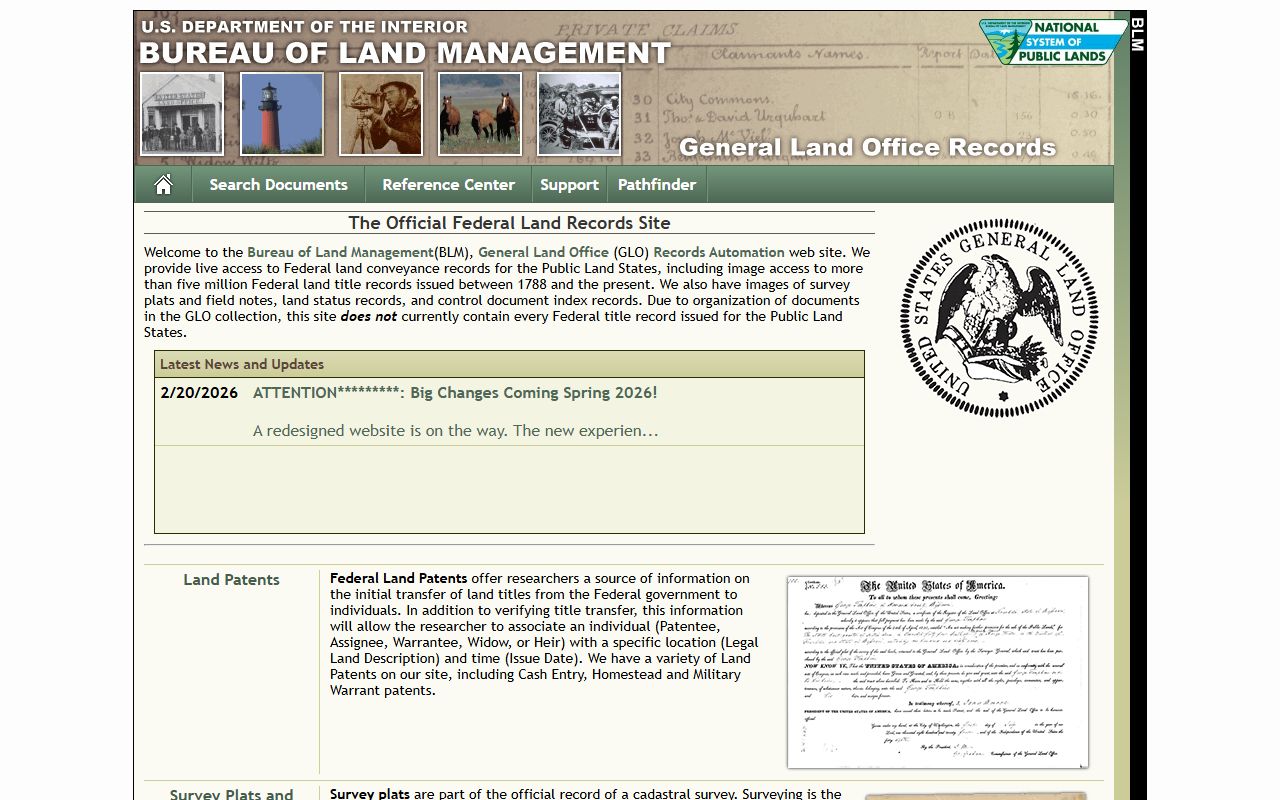
This support image works well because land can be one of the strongest ways to place a Wisconsin family before or between civil records.
Wisconsin Genealogy Search Tips
Good Wisconsin Genealogy searches begin with restraint. Do not search everything at once. Choose one person, one place, and one event type first. That keeps county searches clean and helps archives and libraries focus on the right line. In Wisconsin, the difference between a productive search and a messy one is often not the database. It is the quality of the starting facts.
County and city pages on this site are built to help with that. A county page points you toward register offices, regional archives, and local history sources. A city page points you toward libraries, local societies, city offices, and the county office that actually serves the city. The best Wisconsin Genealogy path usually moves from city or county context into statewide support, not the other way around.
Keep these details ready before you search:
- Exact names and spelling variants
- A year or short date range
- A county, city, township, or neighborhood clue
- The record type you want first
- Whether the event falls before or after the statewide issuance split
That list is usually enough to make a Wisconsin Genealogy request much better on the first pass. It also keeps you from paying for a record before you are sure the family line is the right one.
Note: Wisconsin Genealogy is strongest when local pages, state resources, and regional archives are used in sequence instead of as isolated searches.
Wisconsin Genealogy by Location
Use the county and city pages to move from statewide research into local records. County pages focus on local offices, archives, and county-specific support. City pages focus on public libraries, local societies, city-level record context, and the county office that serves the city. The links below point to the top five county and city pages by population so the most-used local search paths are easy to reach from the home page.
Major city Genealogy searches often start with city libraries, archives, and local-history collections before moving into the county record office. These are the top five city pages by population in the project list.