
Find Polk County Genealogy
Polk County Genealogy work starts with the Register of Deeds, the County Clerk, and a close read of the county time line. The county was settled in 1838 and carved out of St. Croix County in 1853, so early family lines can cross county borders before the record trail settles down. Current office notes point to birth, death, and marriage certificates for Polk County events, plus an official online ordering path and a free genealogy records search. Because the county also notes that genealogy workflow can be limited, it is smart to call before you plan a walk-in visit.
Polk County Genealogy Records
The Polk County Register of Deeds is at 100 Polk County Plaza, Suite 160, Balsam Lake, WI 54810. The phone is 715-485-9240 and the fax is 715-485-9202. That office keeps the core vital record trail for Polk County Genealogy, including birth, death, and marriage certificates for events in the county. It also offers a free genealogy records search and recorded land documents searchable by document number. That mix matters because one name can move from a certificate to a land entry very quickly when you are working on a family line that stayed in one place for years.
Polk County Clerk services are just as useful for a family search. The clerk is at 100 Polk County Plaza, Suite 110, Balsam Lake, WI 54810, with phone 715-485-9226 and fax 715-485-9104. Marriage licenses and voter or election information sit here, which gives you another place to confirm a household and a date. When a marriage record is thin, the clerk file can still help narrow the right time frame or spell a name the same way the family used it.
The county workflow note matters too. The research checklist says genealogy is currently unavailable in some Polk office workflow, so this is not a page that should promise a broad open browsing room. A call ahead keeps the trip useful. If you need a quick county overview, the Polk County Genealogy wiki gives a light summary of record timing, including birth, marriage, death, and land clues. Use it as a guide, then confirm the copy with the county office.
Polk County Genealogy History
Polk County Genealogy often depends on timing. Supporting notes place marriage records from 1855, death records from 1865, and birth records from 1867, which fits the way many Wisconsin counties tightened their record work over time. Those dates are helpful, but they should be read with the office records and the county history. They are best used as a guide for where to start, not as the last word on what exists.
That is where the state-level collections help. The Wisconsin Historical Society holds pre-1907 vital records and a large family history collection. The Wisconsin Department of Health Services Vital Records office helps with state records from 1907 forward. When a Polk County Genealogy search hits a gap, those state sources can confirm a name, a date, or a place before you order a county copy. They do not replace the county office, but they keep the trail moving when one office file is thin.
Polk County Genealogy also benefits from a wider look at land and court records. The Wisconsin Circuit Court Access site is useful if a probate, civil, or family matter shows up in the paper trail. A land search can point to where the family lived, while a court entry can explain a gap in a census year. Together, those sources make the county record set easier to read.
Polk County Genealogy Support
When Polk County Genealogy needs a second pass, state tools help fill the gaps. The BadgerLink research portal is a good place to look for newspapers, indexed history material, and family-history databases. A newspaper notice can connect a marriage date to a town name, while an obituary can point to a cemetery before the county office copy arrives. That kind of lead is often enough to make a county search feel much smaller.
The Wisconsin State Law Library can also help when access questions come up or when a record trail starts to touch probate or property law. Polk County Genealogy work does not live in a single office. It moves between vital records, land documents, clerk files, and state support. Keeping those parts in mind saves time and keeps the search focused on the right record set.
Polk County Genealogy is also easier when you remember that early county history can blur the first record trail. Because the county was created out of St. Croix County in 1853, a family event that feels local to Polk may still point back to an older county record path. That is especially important for the first generation of marriages, births, and deaths noted in the supporting history summary. If a county certificate is missing, the answer may be a timing issue rather than a dead end.
The county clerk helps on that point because marriage licenses and election information can confirm a household even when the main certificate trail is thin. A marriage clue can tell you where to look next. An election-era residence clue can place the family in Balsam Lake or another part of the county before a later land or death record turns up. In Polk County Genealogy, those supporting county details are often what keep one surname from being confused with another.
The state history image on this page comes from Wisconsin Historical Society.
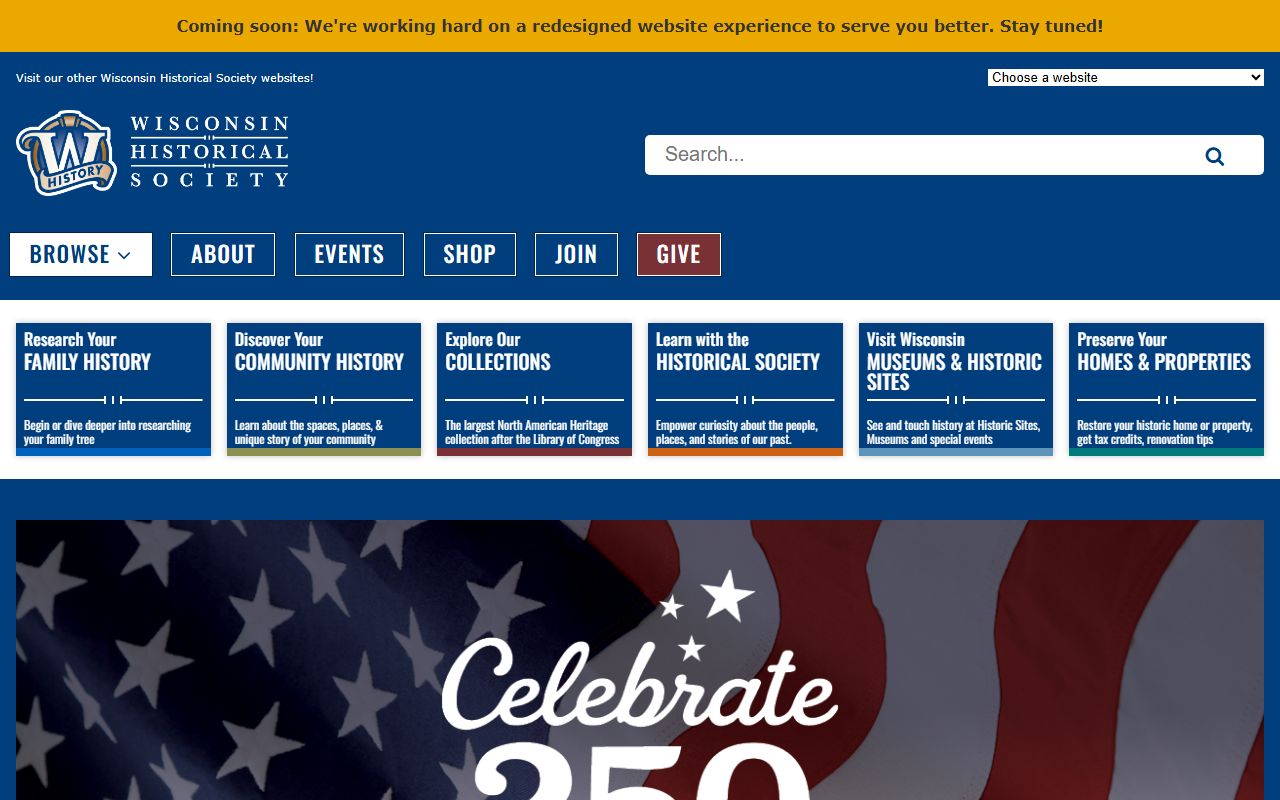
That image fits Polk County Genealogy because older county families often need a state archive to close the gap.
The vital records image on this page comes from WI Department of Health Services Vital Records.
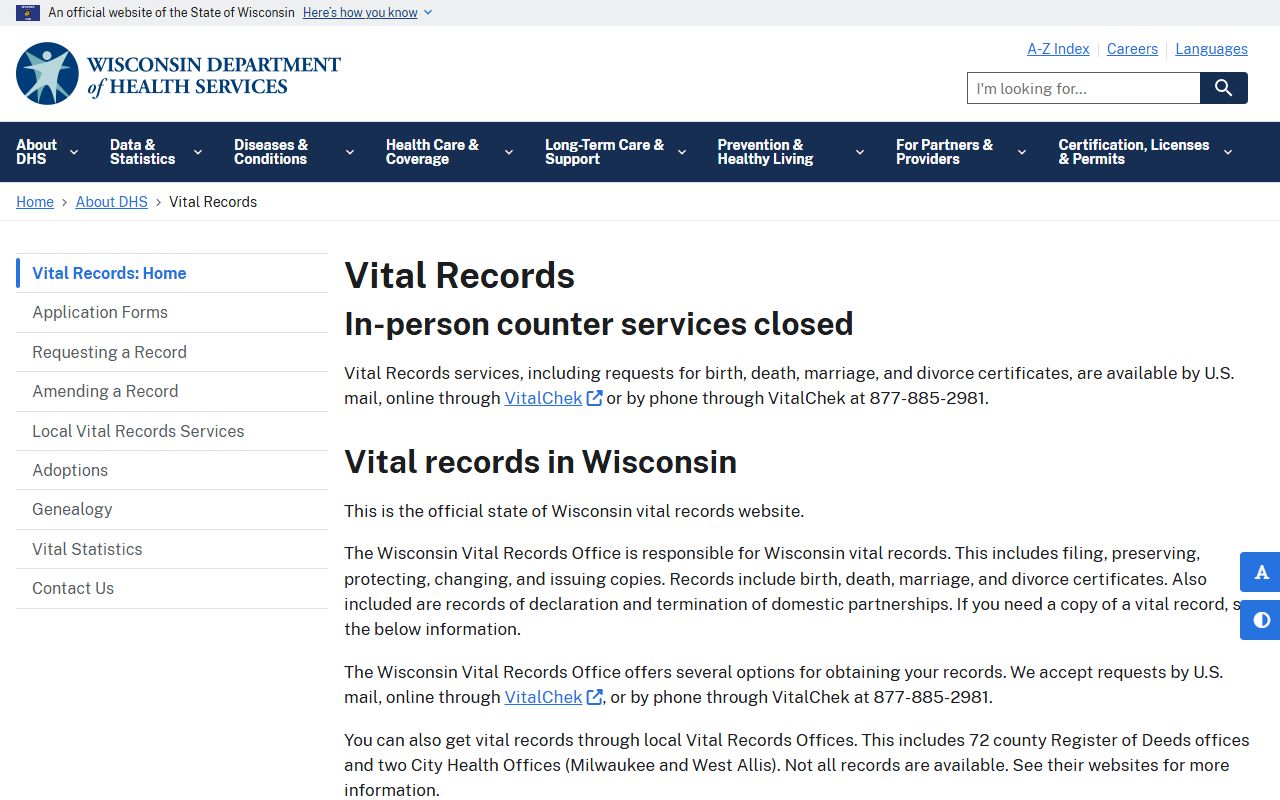
That source helps when the county office points you to a later state certificate or a statewide order path.
The newspaper and family-history image comes from BadgerLink.
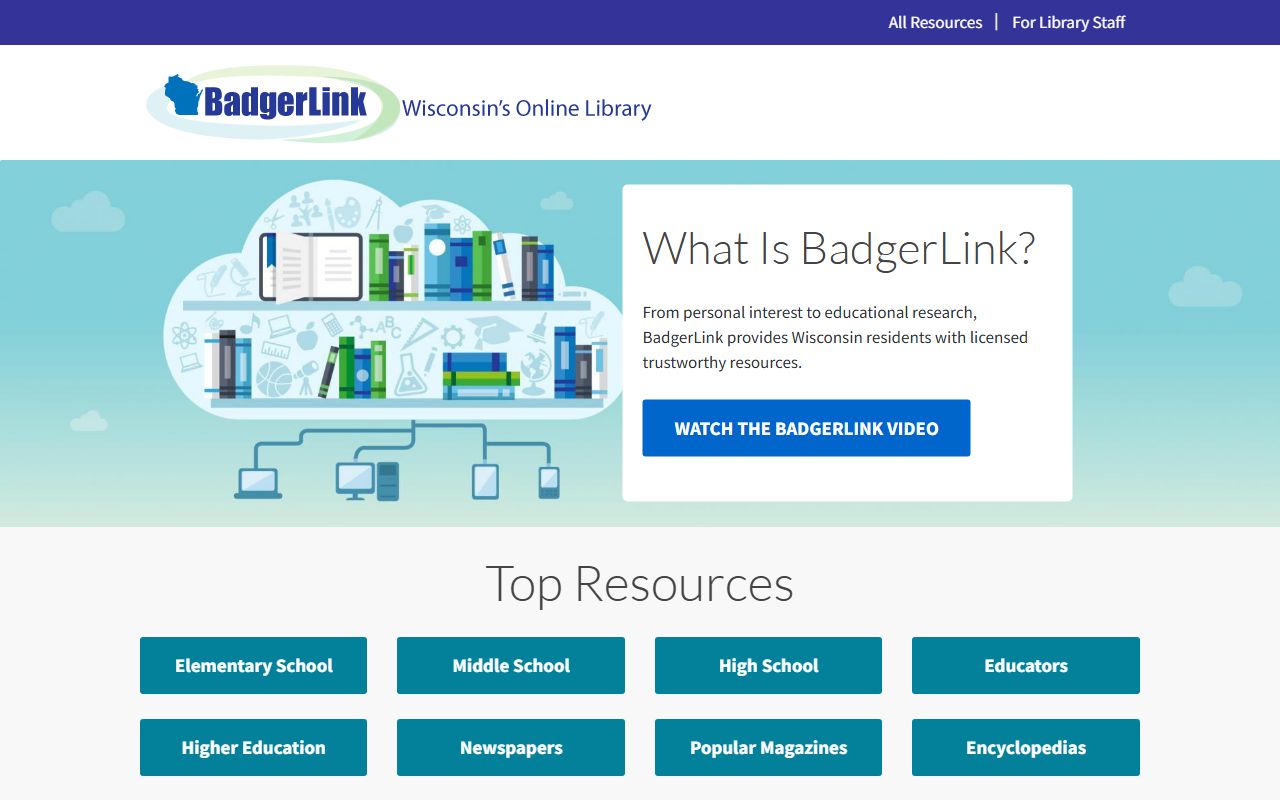
BadgerLink is useful for Polk County Genealogy because it can show the story around the certificate, not just the date on the page.
That broader support is what makes a careful Polk County Genealogy search work. Start with the county office. Use the clerk when the marriage or civic trail gives a better lead. Move into state and newspaper tools when the family line needs context or when the county workflow is limited. The page is strongest when those pieces stay connected rather than being treated as separate searches.