
Search Marathon County Genealogy
Marathon County genealogy research starts at the Register of Deeds and keeps going through the Marathon County Historical Society and the Marathon County Public Library. That matters because the county gives you both the official record trail and the local context that makes names, places, and family lines easier to sort out. If you are tracing a birth, marriage, death, land transfer, or military discharge, Marathon County gives you a clear path. The best searches begin with a name, a year, or a tract clue and then move toward the office that actually holds the file.
Marathon County Genealogy Overview
Marathon County Genealogy Records
The Marathon County Register of Deeds at the county register page is at the Marathon County Courthouse, 500 Forest Street, Wausau, WI 54403. Call 715-261-1470 or fax 715-261-1488. The office handles birth, marriage, and death records from 1900, along with land records from 1850. Its vital records section issues birth, death, marriage, and domestic partnership certificates, while the land records section maintains the real estate file. That makes the office the main stop for county genealogy work that needs an official copy or a recorded land trail.
The office also records military discharge papers, which can be a useful link when a family line includes service in the armed forces. Online record tools cover Land Records and Tract Index, Certified Survey Map, GIS & Maps, and County Highway Plans. Those resources are especially useful when a surname is attached to a parcel, a road change, or a survey reference rather than a birth certificate. When you need the county file itself, the register remains the right place to begin.
Genealogy search is available by appointment only. Appointment hours are 8:30 to 11:30 and 1:30 to 3:30 Monday through Friday, with a limit of two people per appointment. The office pulls up to eight books per day, so it helps to know your target before you arrive. Public lobby computers are available for property searching only, which keeps the genealogy room focused on deeper lookups and book work. Marathon County genealogy is more efficient when you book ahead and bring a precise question.
Note: Marathon County genealogy visits are appointment-based, so call first if you need a book pull or want to use the research room.
Marathon County Genealogy Research Help
The Marathon County Historical Society gives the county a strong local memory base. Its home page is marathoncountyhistory.org, and the society works out of the Yawkey House Museum at 403 McIndoe Street in Wausau, with the Woodson History Center across the street. The research library and archives hold photos, newspaper clippings, city directories, yearbooks, and local people and business resources. That mix is useful when a certificate gives you a name but not the story behind it. The society also offers research assistance, which can save time when you are trying to match a surname to the right township or family group.
The Marathon County Public Library adds a different kind of help. Its site is mcpl.us, and the library is at 300 North First Street, Wausau, WI 54403. The library provides genealogy services, historical newspapers, reference help for court, property, and vital records, city directories on microfilm, and obituary indexes. That makes it a practical place for building the timeline around a family, especially when a courthouse entry needs a newspaper notice or a city directory check to confirm a move or occupation.
Between the historical society and the library, Marathon County genealogy becomes more than a single-office search. One place brings the local memory. The other brings reference tools and newspaper access. If a family lived in Wausau for years, the two collections can often show where the people worked, where they lived, and how the name changed across time. That detail is useful when the official record is thin but the local trace is strong.
Marathon County Genealogy Search Tips
Marathon County genealogy works best when you line up the office rules before you travel. The genealogy search room is limited, the book pull count is capped, and the lobby computers are for property searches only. That means the county is set up for careful visits, not casual browsing. If you call ahead, you can ask about the appointment window, the number of books that can be pulled, and whether your request is better handled as a land search or a vital record search.
Bring the facts that help the staff narrow the file fast. A surname with a year range is better than a broad family story. A tract number or a road clue is better than a guess. Land work often gives the best lead because Marathon County has land records from 1850 and online tools for tract and survey work. If your family also left a military discharge, that record can sit beside the land trail and help you link one generation to the next.
Useful details to bring include:
- Exact names and likely spelling changes
- A year or short date range
- A township, village, street, or tract clue
- Any hint that the record is a birth, marriage, death, land, or discharge file
That short list keeps the search focused and makes it easier to use the appointment time well. Marathon County genealogy rewards a clean request because the office and the local history resources both work best when the target is clear.
Marathon County Genealogy Images
The Marathon County Public Library image in the manifest links back to the library site, which is one of the county's main research supports.
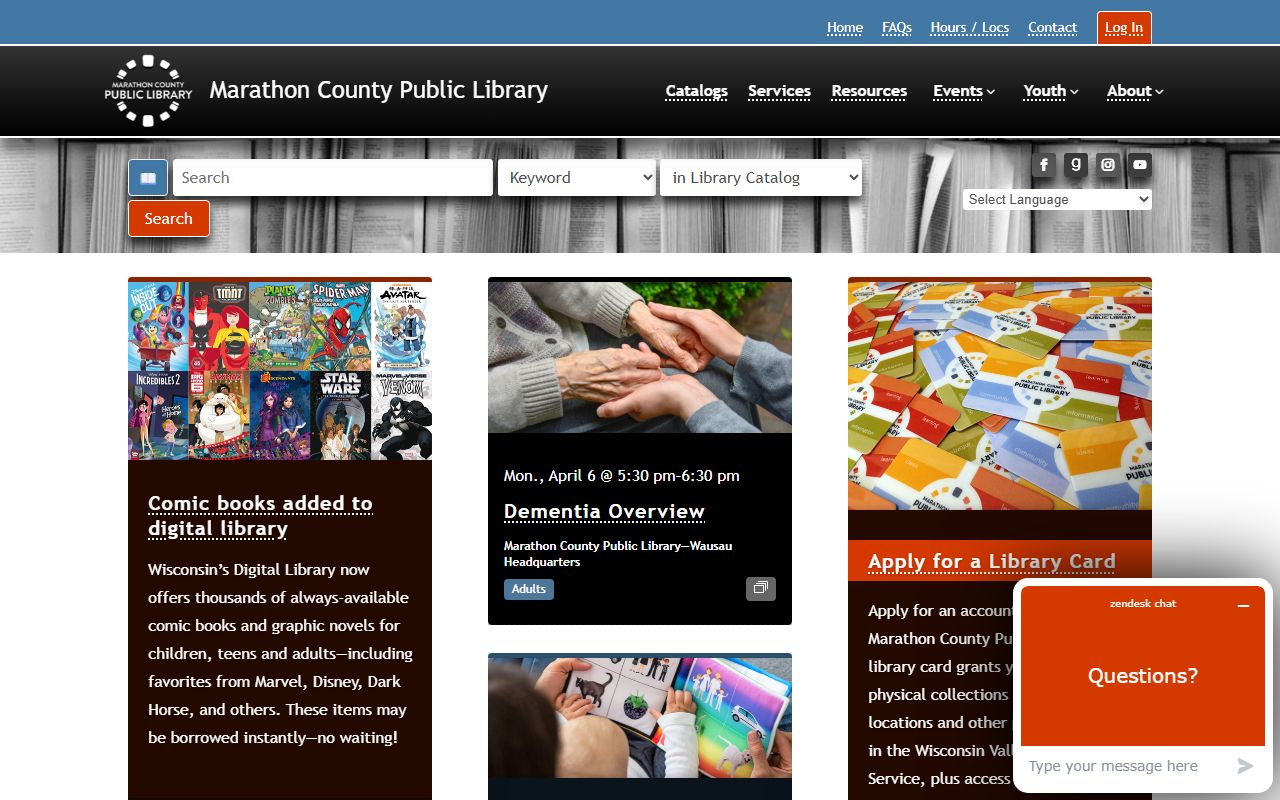
This image fits Marathon County well because the library provides genealogy help, newspaper access, and obituary indexes that often turn a name into a usable family line.
The Marathon County Historical Society image links to marathoncountyhistory.org, the society's main research site.
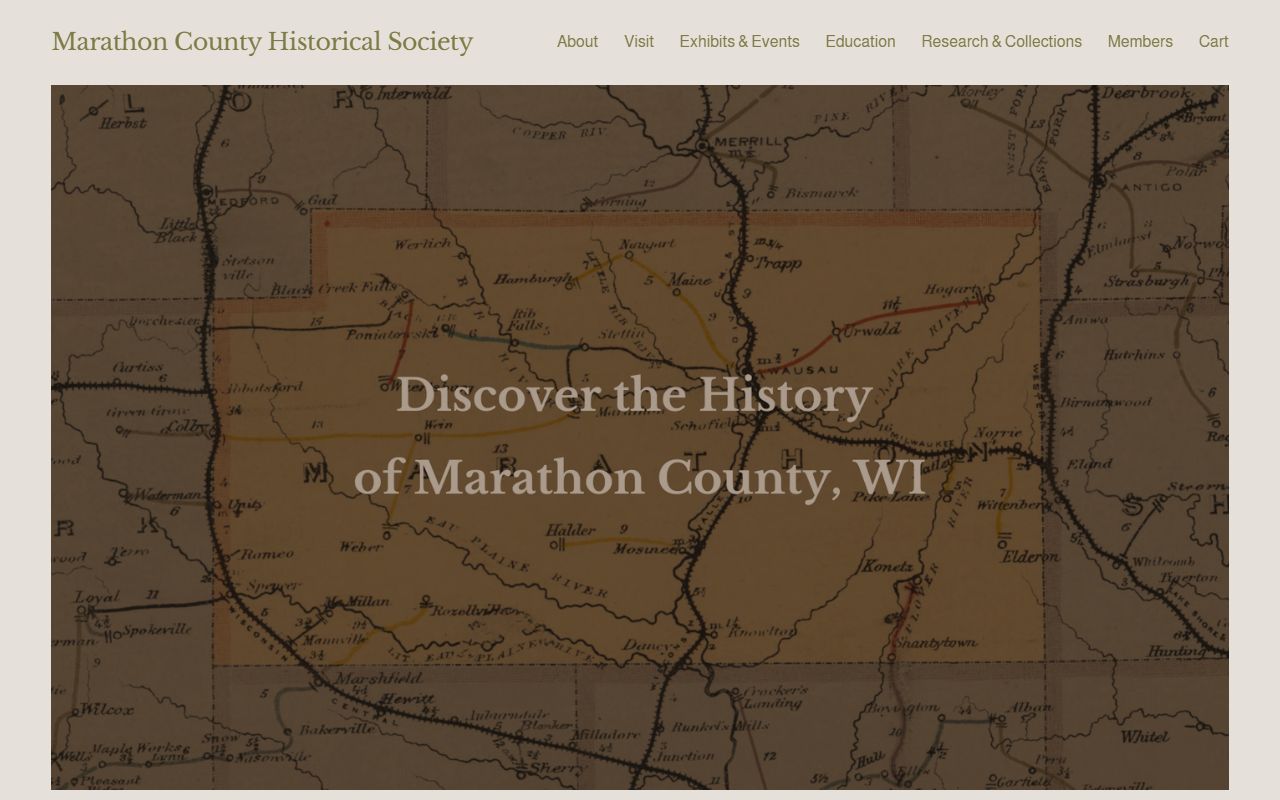
It belongs here because the society's archives, directories, photos, and clippings add the local detail that official records often leave out.
Wisconsin Genealogy Support
When Marathon County genealogy needs a wider frame, the Wisconsin Historical Society is the best state-level place to start. It holds pre-1907 vital records, census material, and other historical collections that help when county files are thin. The Wisconsin Department of Health Services Vital Records site covers later vital records, so it is the better fit for modern copies and state-level requests. Those two sources give you the basic before-and-after split for Wisconsin family history work.
For court and land questions, the Wisconsin Circuit Court Access site and the BLM General Land Office Records site are both useful. WCCA helps with later circuit court cases, while BLM records can add a federal land layer when a Marathon County family first appeared on public land. If the line moved through military service or naturalization, the National Archives at Chicago can also help. For a broader Wisconsin overview, the Library of Congress Wisconsin guide, Wisconsin State Genealogical Society, and BadgerLink are useful backups.
Marathon County genealogy is strongest when you move from the county office to the local history collections and then out to the state tools only when the record line needs more depth. That keeps the search local first and wide second, which is usually the fastest way to get a clean result.
Note: Marathon County genealogy usually goes faster when you treat the courthouse, library, and historical society as one research chain.