
Search Iron County Genealogy
Iron County genealogy research begins with the county's short but important record span. The county was created on March 1, 1893 from Ashland County, and the Register of Deeds keeps birth, marriage, death, and land records from 1893. That means a family search here often splits into two parts, one for Iron County after 1893 and one for Ashland County before that date. If you know the family moved into the county during the mining and timber years, the record trail can move quickly once you line up the date range and the right office.
Iron County Genealogy Records
The Iron County Register of Deeds is at 300 Taconite St., Suite 102, Hurley, WI 54534, with phone service at (715) 561-2945 and fax at (715) 561-2928. The office keeps birth, marriage, death, and land records from 1893. That start date is the big clue for a family search. If the name you want is older than 1893, the record may be in Ashland County instead. If the name is later, the county set gives you a clean route into one office and one clear date range.
Land records are often the strongest hook in Iron County genealogy. The county says land records are available online through a paid search service, which is helpful when you are tracking timber land, mining parcels, or a move tied to a deed. A deed or mortgage can show a family in place even when vital records are thin. That is especially useful here because the county is newer than many Wisconsin counties and because many families came in after the area was already settled in part. A land trail can show where a family lived before a birth or marriage record appears in the county set.
For vital records, remember that Wisconsin makes current issuance statewide through any county. That matters when you need a birth, marriage, death, or divorce certificate and do not need the original county record book. The Wisconsin Department of Health Services vital records page at dhs.wisconsin.gov/vitalrecords is the state route, while the county office stays the local route for the original recording trail. Using both keeps the search clear. It also helps you decide whether you need a copy, a certificate, or a true record lookup.
Iron County Genealogy and Court Records
The Iron County Clerk is at 300 Taconite St., Suite 101 in Hurley, with phone service at (715) 561-3375 and fax at (715) 561-2928. That office handles marriage licenses and voter and election information. When a marriage record is missing or a family line needs a local check, the clerk's office can give you another official path to the same household. Election details can also help place an adult family member in the right part of the county when a move or township change is part of the story.
The Iron County Circuit Court Clerk is at 300 Taconite Street in Hurley, phone (715) 561-4084. That office covers divorce and court records, which gives you a direct path when a family event moved into the court file instead of the deed book. The Wisconsin Circuit Court Access site at wicourts.gov is the state level backup for court searching. It will not replace the county file, but it helps you see whether a case exists and which office should hold the paper copy. That is often enough to move a genealogy search from a guess to a known file path.
Because Iron County was carved out of Ashland County, older family history may begin across the county line. That makes the county history itself part of the record trail. If you are tracing a family that was present before 1893, or if the county record set is missing the first event you need, Ashland County becomes the next place to look. The Wisconsin Historical Society at wisconsinhistory.org is useful here as a broad state backup, especially when you need older county context, maps, or archive leads that help explain why a family appears in one county book and not another.
Iron County Genealogy Images
The manifest links the Wisconsin Historical Society image to the state history site.
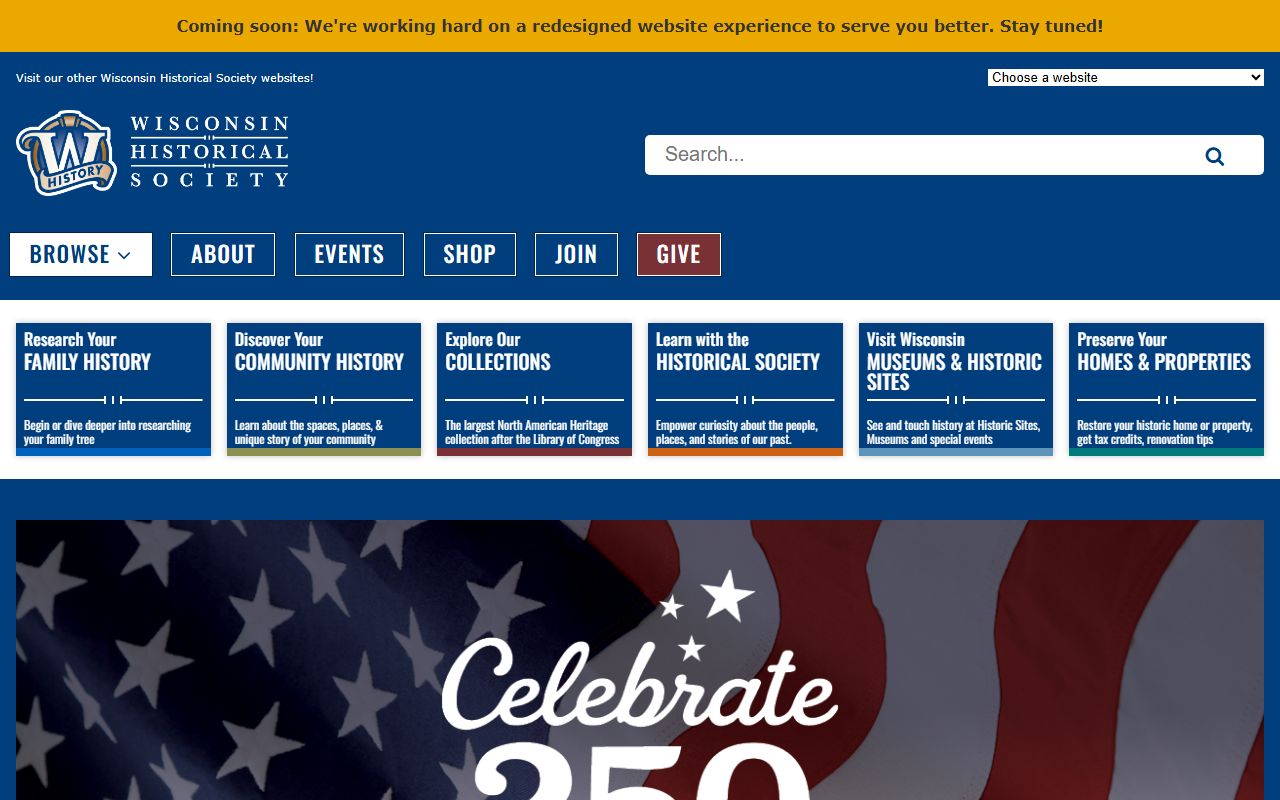
That state archive is the best place to widen the search when Iron County records point back into Ashland County or into older history collections.
The manifest links the Wisconsin Department of Health Services image to the state vital records page.
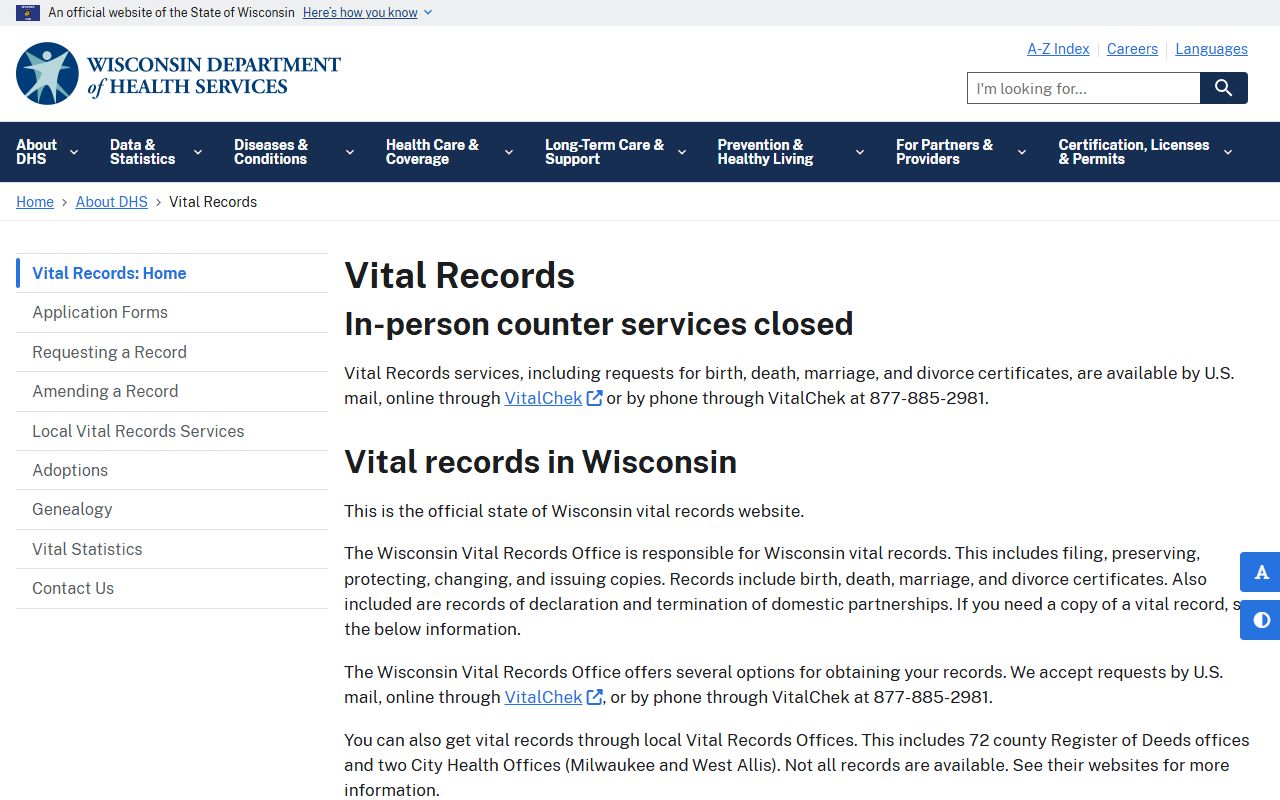
This image fits the statewide certificate route, which is useful when the local record copy is not the only copy you need.
The manifest links the Wisconsin Circuit Court Access image to the state court site.

It gives the page a court side reference that matches the county clerk and circuit court clerk work in Hurley.
Iron County Genealogy Help
Iron County genealogy work often needs a two-county plan. Start with Iron County for 1893 and later, then check Ashland County when a name or event predates county creation. That simple move keeps you from assuming the record is lost when it is really just filed one county over. The county date line is not a small detail here. It is the key that tells you where the older record should live and which office can answer first.
For broad research help, the Wisconsin State Law Library at wilawlibrary.gov can help with access questions and public record language. The National Archives at Chicago at archives.gov/chicago adds federal land, court, and naturalization context when the family moved in or out of the county. If the family used federal land, the BLM General Land Office Records site at glorecords.blm.gov may also help place a parcel or patent in the larger map. Those sources are useful because Iron County searches often involve a move into a newer county rather than a simple one-place line.
When you need a local paper trail, the Register of Deeds and Clerk office stay the main stop. When you need a remote copy route, the statewide vital system and the court access site are the better tools. The best Iron County genealogy plan uses both levels without mixing them up. That keeps the search tidy, and it helps you spend time on the record itself instead of on the wrong office.
Iron County Genealogy Access
Iron County access is straightforward once you remember the county's age. Anything from 1893 forward belongs in the county set, and anything earlier may belong in Ashland County. That means the first job is not always ordering a copy. Sometimes it is setting the correct county line. Once you do that, the record office phone numbers, the circuit court clerk, and the statewide tools all start to line up in a way that makes sense.
The county's paid land search service is useful when you need a title clue or a parcel date. The Wisconsin Department of Health Services page is the clean route for state-issued certificates. The Wisconsin Historical Society and Wisconsin Circuit Court Access site help when you need to widen the frame or confirm a court event. Iron County genealogy research works best when the record holder and the date range are both clear before the search begins. That keeps the work simple and reduces the chance of chasing the wrong file set.
Iron County Genealogy Next Steps
If you are starting fresh, write down the event date and check whether it falls before or after March 1, 1893. If it is later, use Iron County first. If it is earlier, move to Ashland County and then to the Wisconsin Historical Society for backup context. That one habit saves time in a county where the modern record set is short but the family story may go back farther than the county itself.
For the strongest search, combine county office work with statewide support. Use the Register of Deeds for local land and vital records, the Clerk for marriage and election detail, the Circuit Court Clerk for divorce and court files, and the state pages when the county book trail needs a second route. Iron County genealogy is not hard once the boundary is clear. It is a matter of choosing the right office in the right county at the right date.