
Find Green County Genealogy
Green County genealogy research starts with the county register, but the best searches also use the county's historical society and Wisconsin state resources. The register keeps birth, marriage, death, and land records, and the county notes that early records can be tied to Iowa County during the years when Green County was attached for county and judicial purposes. That makes Green County a good example of why local research has to be careful. If you know the family name and the likely time period, you can usually decide whether the county file or the Iowa County trail is the better first stop.
Green County Genealogy Overview
Green County Genealogy Records
The Green County Register of Deeds is located at the courthouse in Monroe and keeps birth records from 1862, marriage records from 1838, death records from 1874, and land records from 1836. Some sources list slightly later marriage and death dates, so it is wise to use the county information alongside state tools and any related Iowa County material. That early attachment note matters because some of the oldest Green County records may sit in a different county file than later records. The county is not hard to work with, but it does reward careful dates.
Green County also notes that vital records are available statewide through any county, and that land records can be searched online through a paid service. The office also offers a free genealogy records search. That makes the county practical for both local visitors and distant researchers. Still, the strongest way to use Green County genealogy is to combine the county register with the local historical society and state collections. That is especially true if you are working on an early family that may have moved through the county when records were still being formed.
For broader support, the Wisconsin Historical Society and FamilySearch Wisconsin Genealogy are the best general backup sources. They are especially useful when you are working around the 1836 to 1838 attachment period or trying to confirm a line that appears in multiple county files. In Green County genealogy, the county office gives you the base record, but the state tools help you decide where the earliest version may actually be found.
Note: Green County genealogy gets more precise when you remember that the county was attached to Iowa County early on, so some records may need a second county check.
Green County Genealogy Search Tips
Start with the record type and the likely time period. If you need a land clue, Green County's 1836 start point can help. If you need a marriage line, think about the 1838 record base and the possibility that the family first appears in Iowa County. Green County searches are strongest when you do not assume all early records stayed in one place.
The county notes that online land records are searchable through a paid service, which is helpful when you want to check ownership or follow a farm line before ordering a copy. That can save a lot of time. A land entry often points to a family residence before a birth or death record does, especially in a county where the early years are tied to more than one jurisdiction.
Bring these details with you when you search Green County genealogy:
- Exact names and alternate spellings
- An approximate year or short date range
- A township, village, or farm clue
- Any Iowa County, marriage, or land note already tied to the family
That keeps the search focused and makes it easier to tell whether Green County or Iowa County should come first.
Green County Genealogy Images
The manifest does not include a local county register image for Green County, so the first fallback links to wisconsinhistory.org.

That image fits Green County because older records and early jurisdiction changes often need a state archive to finish the line.
The second fallback links to BadgerLink, which helps with newspapers and family-history databases.

BadgerLink is useful here because local notices and indexed history material can show up before a county certificate does.
The third fallback links to the Wisconsin State Law Library, which is helpful when records access or probate questions come up.
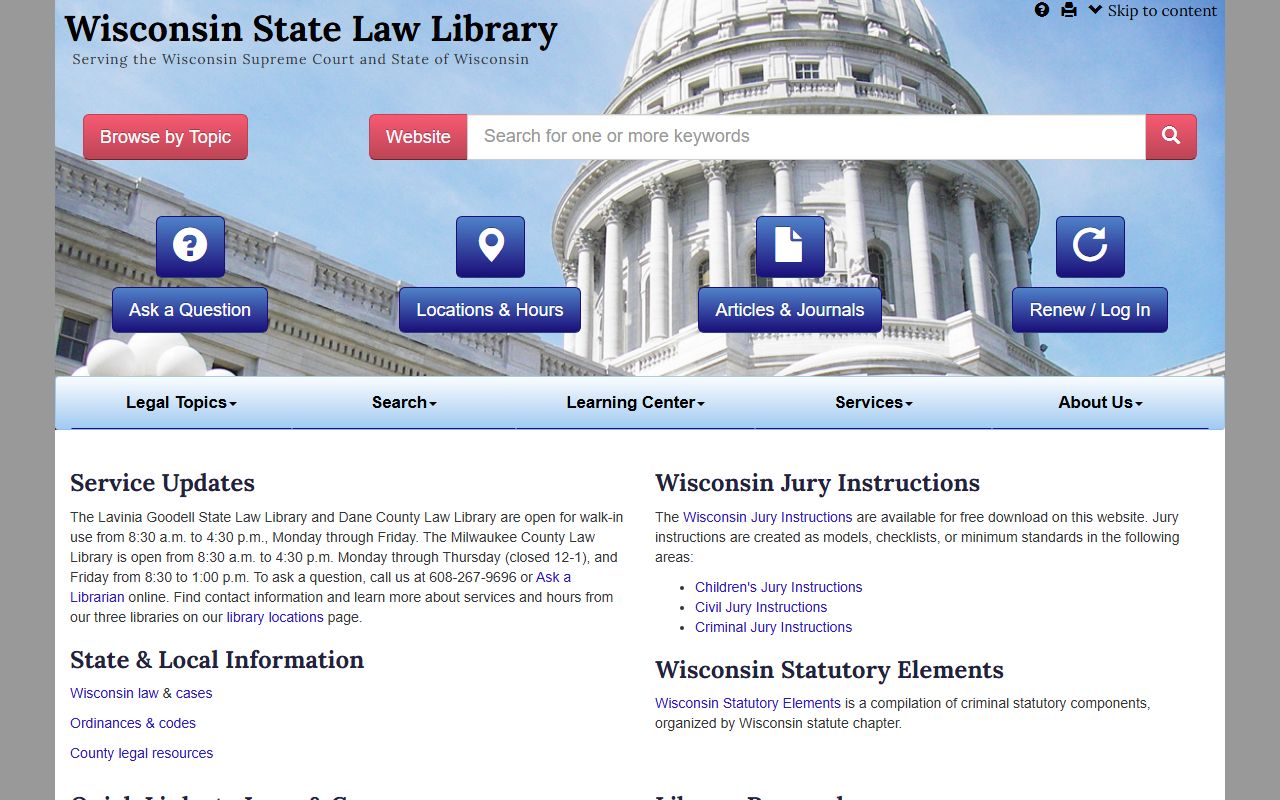
It belongs here because Green County's early record situation can push researchers into access and jurisdiction questions.
Green County Genealogy Help
The Green County Historical Society is the main local history help point in the source set. A historical society matters because it can turn a county name into a town, a church, or a family cluster. That is especially useful in Green County, where early records may live under more than one county jurisdiction. If you have a surname but still need a place, the society can be a strong next step.
The Wisconsin Historical Society is the strongest state-level backup for older records, while FamilySearch Wisconsin helps map the county and record types. Those two sources are especially helpful when a Green County search crosses into the Iowa County period or when a family line starts before the county file is clean. They do not replace the county office. They make the county office easier to use.
For broader support, add the National Archives at Chicago, BLM General Land Office Records, and Wisconsin State Genealogical Society. Those sources matter when Green County families show up in federal land work, military material, or local society notes that need a wider archive. The county office, the historical society, and the state tools work best as a chain.
Green County Genealogy Access
Green County access is good once you know the record line you need. The Register of Deeds offers a free genealogy records search and online land search through a paid service, which gives you a practical way to start before you order copies. The key is to remember that early records may point to Iowa County. If the county file does not give you enough, check the earlier jurisdiction before concluding the record is missing.
Because the county says vital records are available statewide through any county, some modern requests are easier than old local searches. That helps with recent certificate work, but it does not replace the older county file. If your family line goes back to the 1830s or 1840s, the historical and state sources still matter. In Green County genealogy, the best access plan is county first, then state, then Iowa County if the earliest years are in play.
Keep these items ready before you search:
- Exact names and any spelling variants
- A year or narrow date range
- A township, town, or farm clue
- Whether you need a certificate, land record, or early county file
That keeps the request precise and makes the answer easier to trust.
Note: Green County genealogy often requires an Iowa County check for early records, so do not stop at the Monroe register if the date falls in the county's attachment years.