
Search Chippewa County Genealogy
Chippewa County genealogy research has a strong county base and a good regional support network. The county register keeps the main vital and land records, while the history center, genealogical society, and Eau Claire archive help fill in the context behind the names. That matters when you are tracking a family through the lumber era, a farm line, or an older naturalization file. A good Chippewa County search usually starts with one name, one date, and one office, then it branches out only when the record points you somewhere else.
Chippewa County Genealogy Overview
Chippewa County Genealogy Records
The Chippewa County Register of Deeds at chippewacountywi.gov is the main county source for genealogy records. The office keeps birth records from 1858, marriage records from 1860, death records from 1870, land records from 1856, naturalization records from 1895 to 1955, and the 1905 Wisconsin State Census. That is a strong mix for researchers because it covers family growth, property movement, and citizenship in one place. If you know a name but not much else, the county record set can still give you a real starting point.
The office also sets clear genealogy hours. Research is available Monday through Thursday from 7:30 AM to 4:00 PM, and an appointment is required. The search room limit is one searcher for one hour, so the best results come from preparation. If you show up with a short list of names, a date range, and a single target record type, the visit is much more productive. Chippewa County is not a place for wandering guesses. It rewards a careful plan.
For deeper research, the county trail works well with the UW-Eau Claire Archives and Area Research Center, which serves Buffalo, Chippewa, Clark, Eau Claire, Rusk, and Taylor counties. The Wisconsin Historical Society and FamilySearch Wisconsin Genealogy are the best statewide backstops, and both help when a Chippewa County record needs an older index or a broader context check.
Chippewa County Search Tips
Chippewa County genealogy searches work best when you sort the records by type before you start. A birth or marriage request belongs with the county register. A naturalization clue may still be county-based, but it often needs a different type of file or a regional archive. The 1905 state census is especially useful when you want to pin down a family between county record dates. It can confirm a household, a township, and a cluster of names in one pass.
The Chippewa County Genealogical Society is another strong helper. It meets at the Chippewa Area History Center and keeps research support close to the county record trail. The society is a good next stop when a surname keeps turning up in local families or when you need a guide to the county's common lines. A local society can save a lot of time because it often knows which records matter most for a given surname.
Bring these basics with you:
- Exact names and alternate spellings
- An approximate year or a small date range
- A township, village, or school district clue
- Any naturalization, land, or census note already tied to the family
That short list can turn a broad county search into a direct request. The narrower the target, the better the result.
Chippewa County Genealogy Images
The manifest links the Chippewa Area History Center image to the county history center site, which is a major local source for family history help.
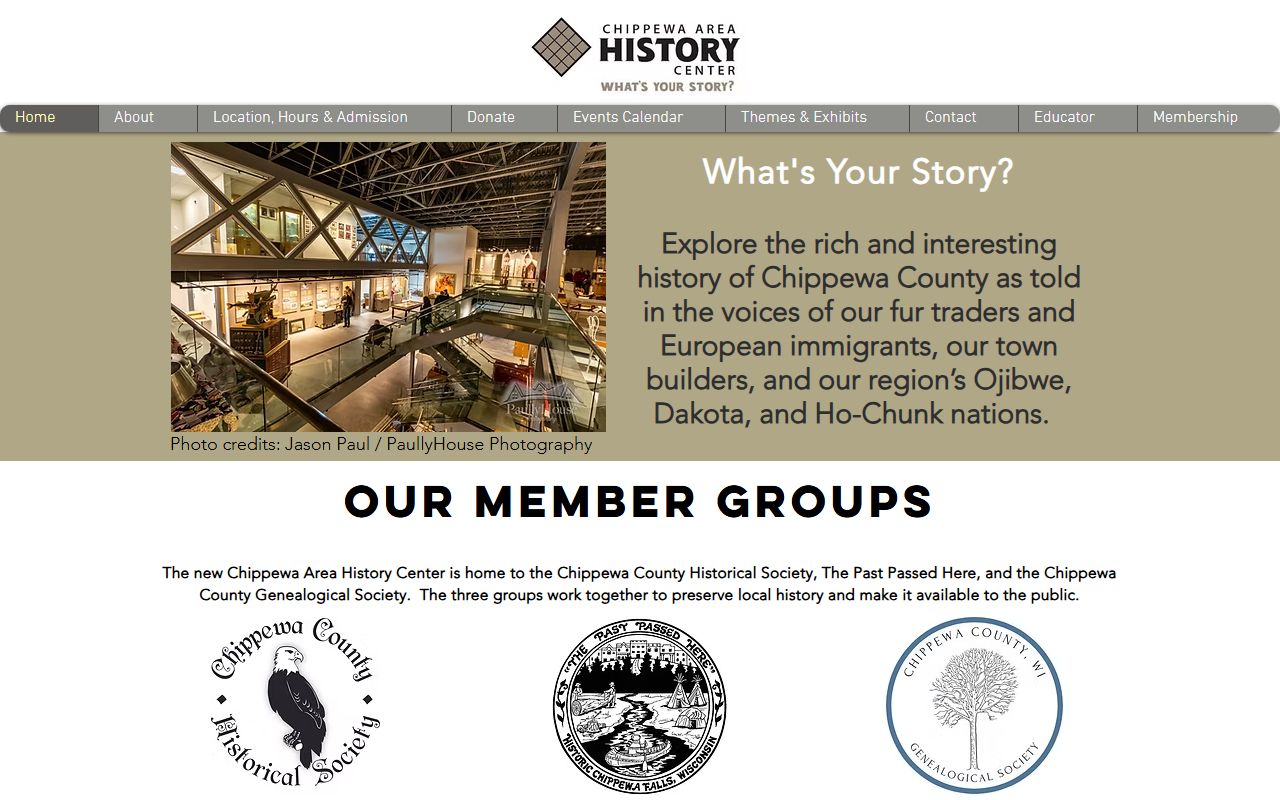
This image fits the county because the history center holds the local background that often explains the record trail.
The manifest links the Chippewa County Genealogical Society image to ccgswi.wixsite.com/ccgswi, which is the group's research and meeting page.
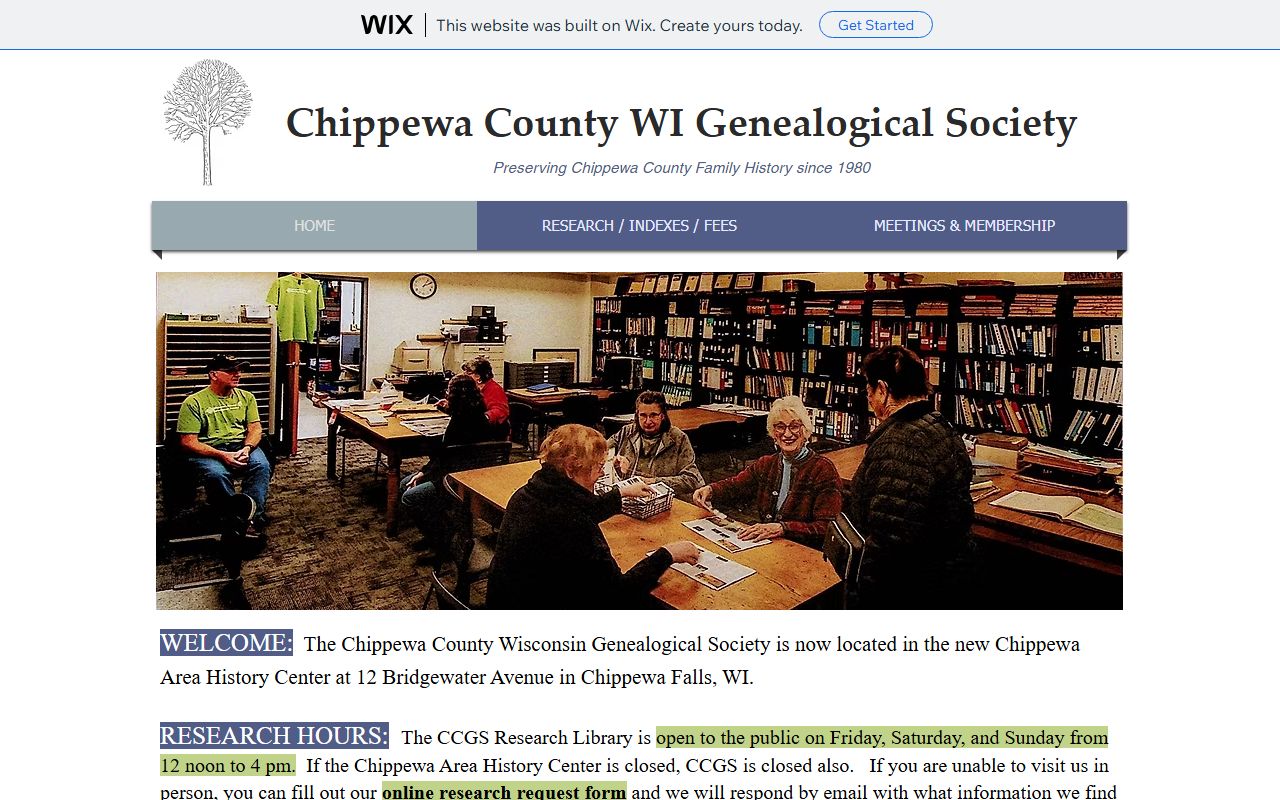
It is a useful local lead when you need help finding the right surname path or research habit for the county.
The manifest links the UW-Eau Claire archive image to the UW-Eau Claire archives page, which is the regional research center for Chippewa County records.
This source matters because regional archives often preserve the older county record sets and court material that help finish the search.
Chippewa County Genealogy Help
The Chippewa County Historical Society and Chippewa Area History Center gives the county a deep history base. Its collections include Native American history, fur trade material, the lumbering era, farming records, military service items, and family history resources. That range matters because Chippewa County families often appear in more than one part of the county story. A surname might first show up in a farm line, then in a logging record, then in a military or church file.
The Chippewa County Genealogical Society keeps the research work active with regular meetings and a local support page. The society is not a replacement for the county register, but it is a good guide when you need to narrow the search. If you are trying to decide whether a record should be chased in Chippewa Falls, at the history center, or in the archive, the society can often point you in the right direction.
For wider support, the Wisconsin Historical Society, FamilySearch Wisconsin, BadgerLink, National Archives at Chicago, and Wisconsin State Law Library all fit well with Chippewa County genealogy work. They help when a county record needs an older index, a newspaper, a federal file, or a clear read on public access rules. If a land trail goes farther back, BLM General Land Office Records can also add useful federal context.
Note: Chippewa County gives you a short research window, so the best visits are the ones that already know which book, date, and surname to ask for.
Chippewa County Genealogy Access
Chippewa County has a clear access pattern. The county register is the record keeper for the main vital and land books, but the visit itself is limited by hours and by appointment. That means the county rewards prep work. You want to know the record type, the probable date range, and the likely office before you get there. If you are prepared, one hour is enough to do useful work. If you are not, an hour passes quickly.
The regional archive in Eau Claire is the next logical step when the county file is not enough. It serves the surrounding counties and holds historical records that can help with census, probate, or court questions. In Chippewa County genealogy, that regional support matters because families often moved across county lines during the lumber and farm eras. A file in one county can be tied to a paper trail in another county through the archive network.
If you need to sort out what can be requested and how to describe it, the Wisconsin State Law Library is the best source in the research set. It keeps your search tied to Wisconsin public records and probate material instead of a generic legal summary. That makes the next request more accurate and keeps the county search grounded in the right rules.
Chippewa County Genealogy Next Steps
Start with the county office that matches the clue you already have. Birth, marriage, death, land, naturalization, and census work all begin at the Register of Deeds. If the family story needs local color, move to the history center or the genealogical society. If the record needs older support or another county's copy, use the Eau Claire archive and then broaden out to the state tools.
Chippewa County genealogy is strongest when the search stays narrow at first and broad only when the record itself asks for it. That approach saves time and keeps the trail readable. It also helps you avoid skipping the county book that already contains the answer. Once you have that county base, the state and federal sources fill in the gaps cleanly.