
Search Barron County Genealogy
Barron County genealogy research is a good fit for people who want clear county rules and strong local history help. The register of deeds has the core county records, but Barron County also gives researchers a museum, a genealogical society, and a university archive route that can explain the people behind the paper. That matters when you are working with plat maps, surveys, or land patents and need more than a simple index hit. The county gives you the record, then the local groups help you understand the family that record belongs to.
Barron County Genealogy Overview
Barron County Genealogy Records
The Barron County Register of Deeds at barroncountywi.gov is the main county stop for genealogy work. The office at 330 E. LaSalle Avenue in Barron keeps birth records from 1877, death records from 1876, marriage records from 1871, land records, 1903 and 1927 plat maps, surveys, and U.S. land patents. That gives family researchers both vital record dates and the property trail that often proves where a family lived and how it moved.
Barron County also posts specific research rules that matter. You need photo ID and an application for in-person search, and the office does not allow food, drinks, coats, purses, bags, private copy machines, cameras, or children under 12 in the records area. Only pencils are allowed, no pictures of records can be taken, and the office is under camera surveillance. Those rules may feel strict, but they also show that the county wants the original files handled with care.
When you need a second path, use the UW-Stout Area Research Center for regional archive work and the Wisconsin Historical Society for older records and state collections. Barron County research often works best when the county office, the archive center, and the state index are used together. That way you can confirm the dates in the file and still move back into the older record sets if the family was here early.
Barron County Genealogy Images
The Barron County Register of Deeds image in the manifest links to the county register of deeds page.
That office anchors the county search, from vital records to land files and plat maps.
The Pioneer Village Museum image in the manifest points to pioneervillagemuseum.org.
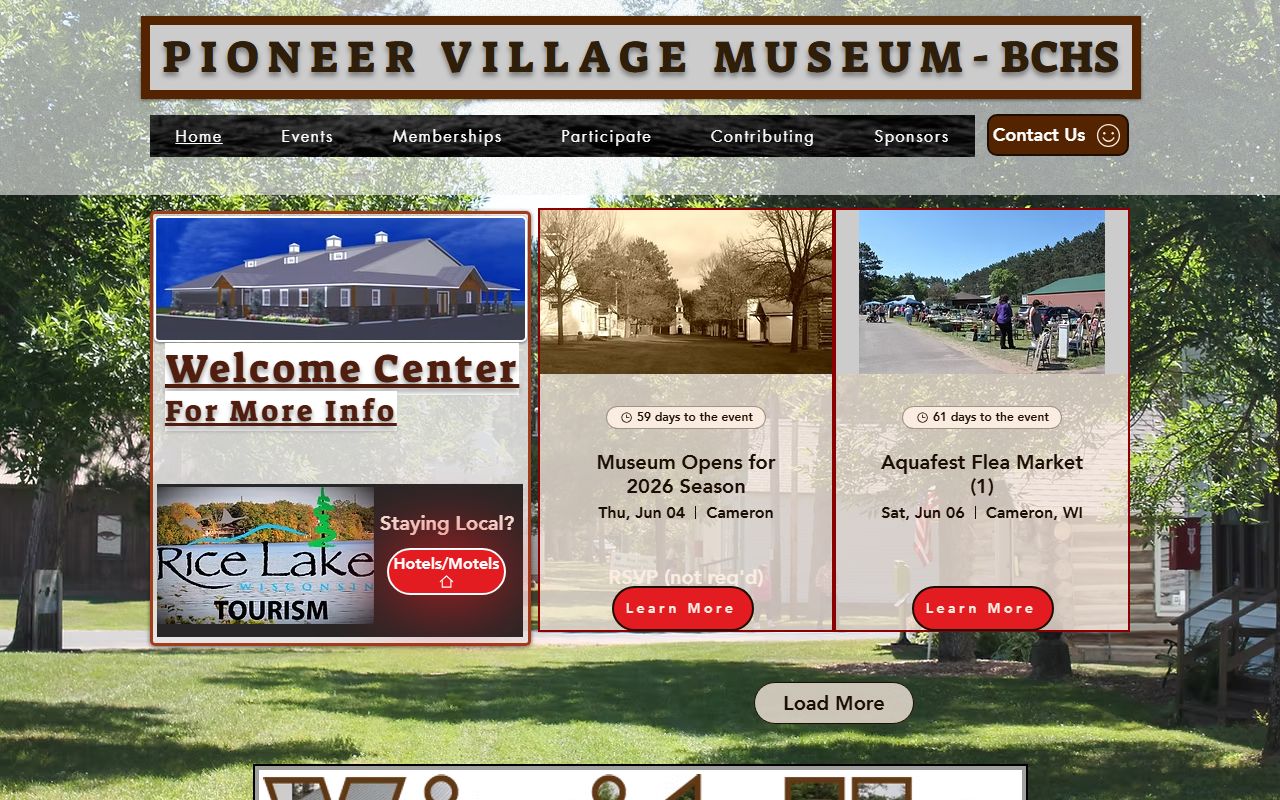
The museum gives the search a local history layer that can explain the places and people named in county records.
Barron County Genealogy Help
The Blue Hills Genealogical Society is a direct local helper for Barron County research. The society offers research help and ancestor certificates, which is useful when you need someone who knows the county names, town names, and common family lines already. Local societies save time because they often know where a surname turns up in church, cemetery, or school work long before it shows up in a state index.
The Pioneer Village Museum in Cameron adds local artifacts and genealogy resources. That kind of collection is valuable when you have a family name but still need the setting around it. A museum may not replace the county file, but it can tell you why a line stayed in one township, moved to another, or connected to a business or church cluster in the area.
The UW-Stout Area Research Center gives Barron County a regional archive route, and the FamilySearch Wisconsin Genealogy page adds statewide indexes that can reach past the county line. For broader land and migration clues, the BLM General Land Office Records site helps with federal patents, while the National Archives at Chicago can add federal naturalization and court material. That mix keeps the search practical and wide enough to catch older family moves.
Barron County Genealogy Access Rules
Barron County is one of the more detail-heavy counties for in-person research, so it rewards preparation. Bring photo ID, fill out the application for in-person search, and expect the office to control what you can carry into the records area. The restrictions are not there to make the visit hard. They are there to protect the records and keep the research space orderly. If you show up ready, the office can move faster.
When public access questions come up, the Wisconsin State Law Library at wilawlibrary.gov and the Wisconsin Public Records Law, Wis. Stat. §§ 19.31-19.39, are the cleanest state-level references in the source set. They help explain why records are open, what fees can be charged, and how a request should be described. That matters in Barron County because the office rules and the public records rules work together.
For a practical search, use the county office for the actual file, the museum for local background, and the society for surname work. Then widen the search with the archive center, FamilySearch, and the state historical tools. Barron County genealogy is strongest when the search stays disciplined and the sources are used in the right order.
Note: Barron County's research area has strict rules, so bring ID, pencils, and a short target list before you go.
Barron County Genealogy Next Steps
Start with the county record type that matters most. If you need a birth, death, or marriage copy, go to the Register of Deeds. If you need land or plat history, ask about the 1903 and 1927 plat maps and the surveys. If you need story context, the museum and the genealogical society can help fill in the human side of the line. That order keeps the work moving and stops you from chasing the wrong source first.
After the county pass, move to the Wisconsin Historical Society, FamilySearch Wisconsin, BadgerLink, the Wisconsin State Genealogical Society, the BLM General Land Office, and the National Archives at Chicago when a family trail extends farther. Those tools are not a replacement for the county office. They are the support layer that makes Barron County genealogy records easier to use and easier to trust.