
Search Sheboygan Genealogy
Sheboygan genealogy research works best when you move between the county office, the public library, and the historical research center. The county register gives you the official civil trail, Mead Public Library gives you newspaper and database depth, and the historical research center adds local history, maps, and family material that can fill the gaps left by a certificate. That matters in Sheboygan because older families often appear in church histories, city directories, passenger lists, and German or English newspapers before they show up in one neat record set. Start with the record type you know, then follow the local evidence where it leads.
Sheboygan Genealogy Records
The Sheboygan County Register of Deeds is the official county starting point for Sheboygan genealogy. It is in the County Administration Building on New York Avenue and covers birth, marriage, death, and land records from 1872. The office also allows in-office genealogy searching, which is useful when you want to work the record books in person instead of waiting for a copied result. The county birth index note is unusual and important: Sheboygan County births are listed as St. Croix in the Wisconsin birth index. That small detail can save a lot of time if a search stalls in the wrong place.
The register also offers a paid land records search and keeps military discharges on file. Those records help more than one kind of family search because they can place a household on a parcel, tie a man to a service record, or connect a name to a marriage or death line. Sheboygan genealogy often improves when a land or military clue is added to a vital search. A record that looks ordinary at first can become a useful anchor once it is tied to the right street, farm, or ward.
Mead Public Library is the city’s strongest research room for local genealogy work. Its genealogy page supports Ancestry Library Edition in the library, HeritageQuest Online, Newspapers.com Library Edition, and the Archive of Wisconsin Newspapers. The reference shelves on the second floor add military records, church histories, newspapers on microfilm since 1838, the indexed Sheboygan Press from the 1940s through 2008, city directories and phone books from the late 1800s, census records, yearbooks, atlases, maps, platbooks, passenger and immigration lists, and family genealogies. That collection makes Sheboygan genealogy feel broader than a standard vital record search.
The Sheboygan County Historical Research Center gives the city another major lane. Its collection totals more than 1,000,000 documents and more than 500,000 images, and the research center supports church history, obituaries, yearbooks, marriage license applications, vital statistics, genealogies, land records, tax records, maps, and cemetery records. That kind of coverage is especially useful when a family stayed local for generations. It can also help when a surname appears in several records at once and you need a way to separate one branch from another.
Note: Sheboygan genealogy becomes much easier when the county register, Mead Public Library, and the historical research center are treated as one connected search path.
Sheboygan Search Tips
Start with the record type you want most. If you need a civil copy, the county register is the right office. If you need newspapers, city directories, or a broad surname check, Mead Public Library is often faster. If you need cemetery, church, or obituary detail, the historical research center may give you the best return. Sheboygan genealogy works best when you choose the source that matches the record instead of asking every place for the same thing.
The county birth index note deserves special attention. Because county births are listed as St. Croix in the Wisconsin birth index, an online search by county name alone may miss the family. That is a small but important local detail. Sheboygan genealogy can also benefit from the county’s land and military records because they often link a person to a place, a service period, or a family group when a vital record is hard to find. The record trail gets clearer once you stop thinking only about certificates.
Useful search details for Sheboygan genealogy include:
- Full names with spelling variants
- A year or short date range
- A church, ward, cemetery, or land clue
- The record type you want first
- Whether the name may appear under the St. Croix birth index note
Those details help the county office, library, and historical research center go straight to the right shelf or file.
Sheboygan Genealogy Images
The manifest links the Sheboygan County Historical Research Center image to the research center website, which is one of the strongest local support sources for Sheboygan genealogy.
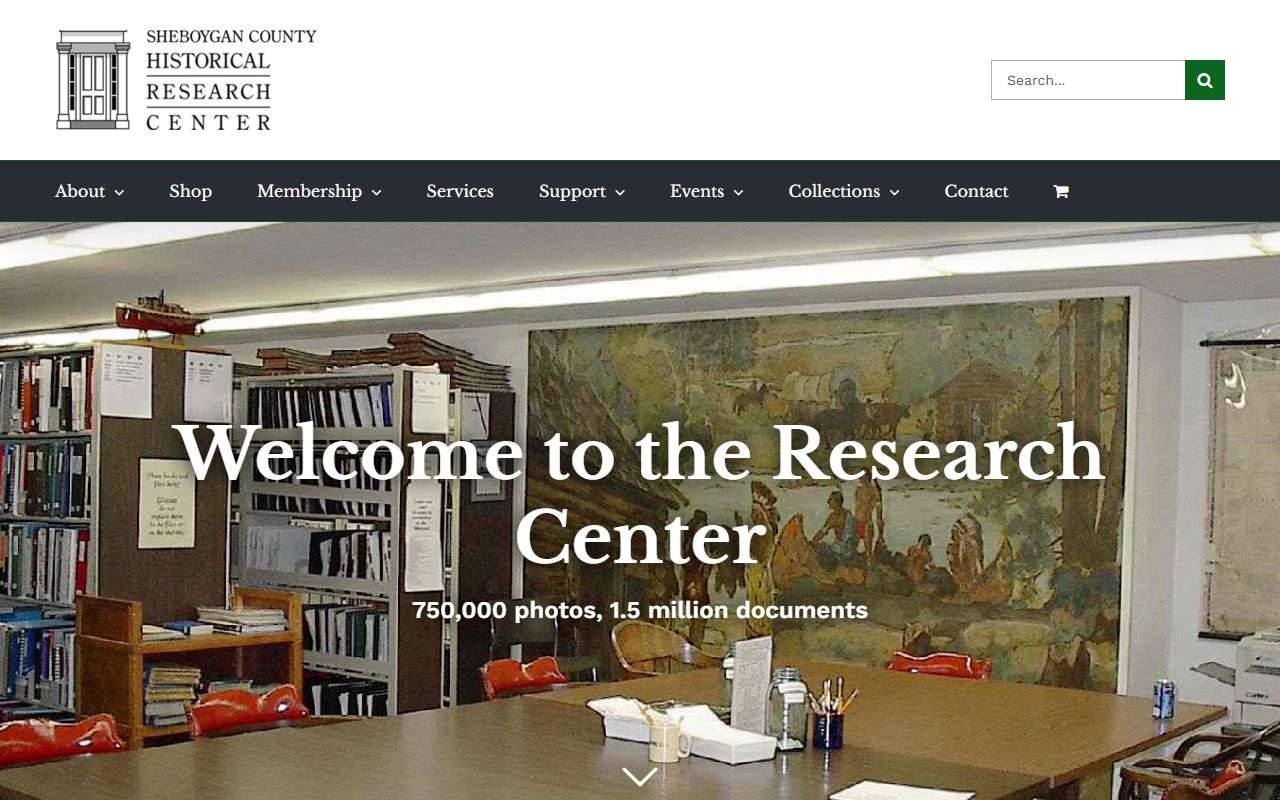
This image fits Sheboygan because the research center holds the broad family-history collections that often fill in the gaps left by the county register.
The manifest also links the Mead Public Library image to the Mead Public Library genealogy page, which is the city’s key research room for newspaper and database work.
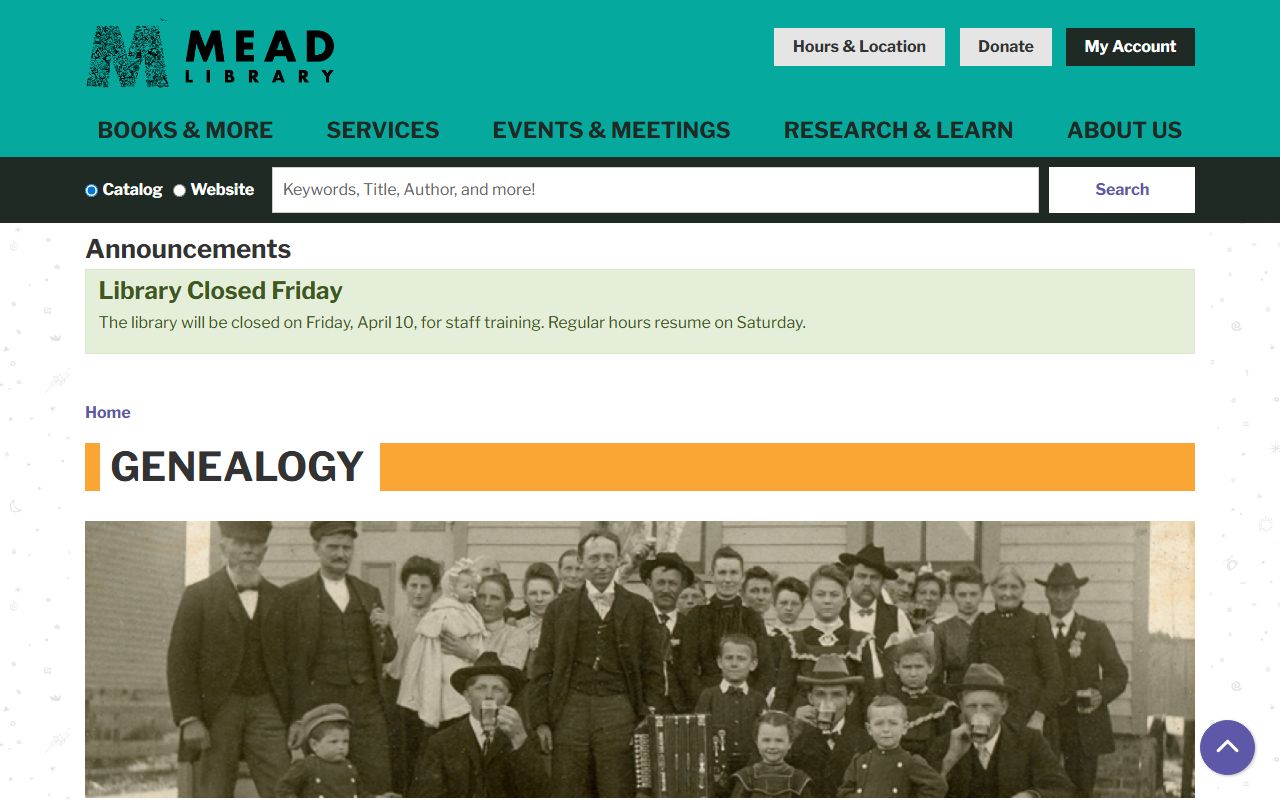
That view belongs here because the library connects local newspapers, directories, and genealogy databases in one place.
Local Help in Sheboygan
Mead Public Library is the easiest help point when a search needs a quick local clue. Its genealogy databases, microfilm newspapers, city directories, and family genealogy resources make it useful for both beginners and experienced researchers. If a surname appears in the Sheboygan Press or in an old directory, the library can often show where the family lived and when it changed. That makes it a practical bridge between a civil record and a fuller family line.
The Sheboygan County Historical Research Center is the deeper local help source. The large collection of documents and images can support church, cemetery, land, tax, and obituary research, which are all common needs in Sheboygan genealogy. It is especially valuable when a family used local institutions over time. A marriage license application, a church history note, or a cemetery transcription can fill in what a county index leaves out. That is why the center stays important after the first search is finished.
For broader support, the Wisconsin Historical Society, BadgerLink, Wisconsin State Genealogical Society, and Wisconsin courts are all useful when the Sheboygan line reaches into older state, newspaper, or court material. Those sources help most after the county and local collections have already narrowed the search.
Sheboygan Genealogy Access
Sheboygan genealogy access is practical because the county office is open for in-office searching and the local library and research center are built for hands-on family history work. That means you can move from an official copy to local context without losing time. The county register handles the civil records, Mead handles the public research tools, and the historical research center adds the kinds of documents that make a family line feel complete instead of thin.
Land, cemetery, church, and obituary records often matter as much as the civil records in this county. If a family lived in Sheboygan for several generations, the land trail can show where the household moved, while newspaper notices and yearbooks can show how the family entered public life. That is one reason Sheboygan genealogy should not stop after a birth or death copy. The full story usually sits in the combination of records, not in a single certificate.
Keep these items ready before you search:
- Exact names and alternate spellings
- A year or short date span
- A church, cemetery, land, or newspaper clue
- The record type you want first
A small, clear request is the fastest way to move through the county and local collections.
Note: Sheboygan genealogy is strongest when you let the county register verify the official record and the library and historical center add the family context.
Next Steps for Family History
Begin with the county register if you need a birth, marriage, death, or land copy from 1872 forward. Move to Mead Public Library when you need a newspaper, directory, or database clue. Add the historical research center when the family line needs church, cemetery, obituary, tax, or map detail. That order keeps Sheboygan genealogy grounded and helps you avoid asking the wrong repository for the wrong record.
Once the civil record is in hand, use the local history sources to see how the family lived in the city. The answer may be in a directory, a map, or a church record rather than in the certificate itself. That layered approach is usually the fastest way to turn Sheboygan genealogy into a usable family history line.