
Search Beloit Genealogy
Beloit genealogy research works best when you treat the city as a set of connected records instead of a single source. The city clerk keeps administrative records, the public library holds a strong local history and genealogy collection, the historical society preserves archives and family context, and Beloit College Archives adds newspapers, government documents, census data, and maps. Rock County records complete the official trail. That mix matters because Beloit families often appear in city council records, old city directories, photo collections, and county vital records at different points in time. Start with the record you already know, then work outward through the city sources that can place the family in a neighborhood and a year.
Beloit Genealogy Records
The Beloit City Clerk-Treasurer's Office is the first city stop for Beloit genealogy when you need city records maintenance, tax roll clues, election information, or council records. It is on State Street, and its work helps researchers connect a household to city government paper. That can matter when a family appears in a tax roll before it appears in a local history book. Beloit genealogy often benefits from that kind of city-level detail because the clerk's office can point you toward the exact administrative record that helps fill a gap in the family story.
The Rock County Register of Deeds handles birth, death, and marriage certificates for Beloit and all of Rock County. The research file points to the safe county home page at co.rock.wi.us, which keeps the search in the right county lane without overreaching into a broken page. For Beloit genealogy, that county office is the official record source when you need a certified civil copy. It is the best place to confirm a vital event after a library or historical source has given you the name and the approximate date.
The Beloit Public Library gives the city one of its strongest research tools. Its genealogical collection includes many published books, periodicals, and family folders. The local history collection includes Book of Beloit I from 1836 to 1936 and Book of Beloit II from 1936 to 1986, both fully indexed. The library also provides Ancestry Library Edition, HeritageQuest, historical plat books, city directories, and photograph collections. That is a useful combination because Beloit genealogy often starts with a surname in print and then moves to a directory, a family folder, or a plat book to place the family on the map.
The Beloit Historical Society adds a deeper local memory layer. Its archives, library, veterans gallery, and research services can help when a line needs more than an index entry. The research fees are listed in the research file, but the more important point for family history is the range of material available. Beloit genealogy can pick up a family through a veteran reference, an archive folder, or a community room note when the civil record alone is too thin. That kind of local institution turns a name into a community story.
Beloit College Archives complete the picture with the Beloit Area Collection, which reaches from about 1837 to the present and includes newspapers, government documents, census data, directories, photographs, nineteenth-century handbills, event programs, record books, publications, and maps. That makes the college archive valuable for Beloit genealogy when the search needs older neighborhood material or long-running local coverage. A college archive can often supply the kind of civic context that helps separate one family branch from another.
Note: Beloit genealogy works best when the city clerk, library, historical society, college archives, and Rock County records are used together instead of one at a time.
Beloit Genealogy Search Tips
Start with the record type, not the family legend. If you need a city record clue, the clerk-treasurer may be the best opening point. If you need a book, directory, family folder, or photo, the public library will usually move faster. If you need archive material that reaches across decades, the historical society or Beloit College Archives may be the better fit. Beloit genealogy gets much easier when you choose the source that matches the evidence you already have.
The library is especially helpful when you need to follow a surname through the Book of Beloit volumes, city directories, or photograph collections. Those records can show how long a family stayed in one place and how the name changed over time. The college archive adds newspapers and government documents, which help when a family appears in a school program, a civic notice, or a public record book. That mix gives Beloit genealogy a steady path from a quick clue to a stronger proof chain.
Useful search details for Beloit genealogy include:
- Full names and likely spelling changes
- A year or short date span
- A street, neighborhood, or city office clue
- The record type you want first
Those details help the city and county sources move straight to the right record set.
Beloit Genealogy Images
The manifest links the city clerk-treasurer image to the Beloit City Clerk-Treasurer page, which is the city office that manages records and tax-roll work.
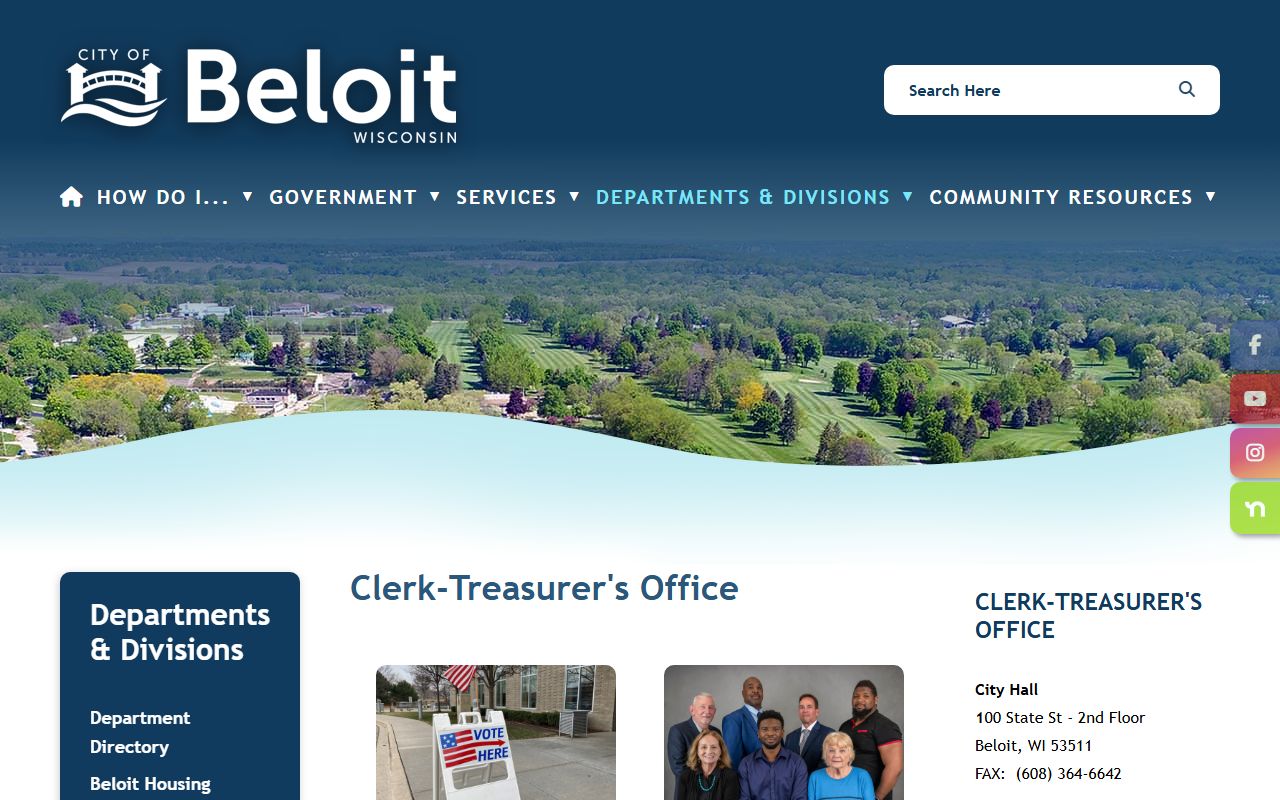
This image fits Beloit because the clerk office is often the first city layer in a local records search.
The manifest also links the public library image to the Beloit Public Library site, which is one of the city’s strongest genealogy entry points.
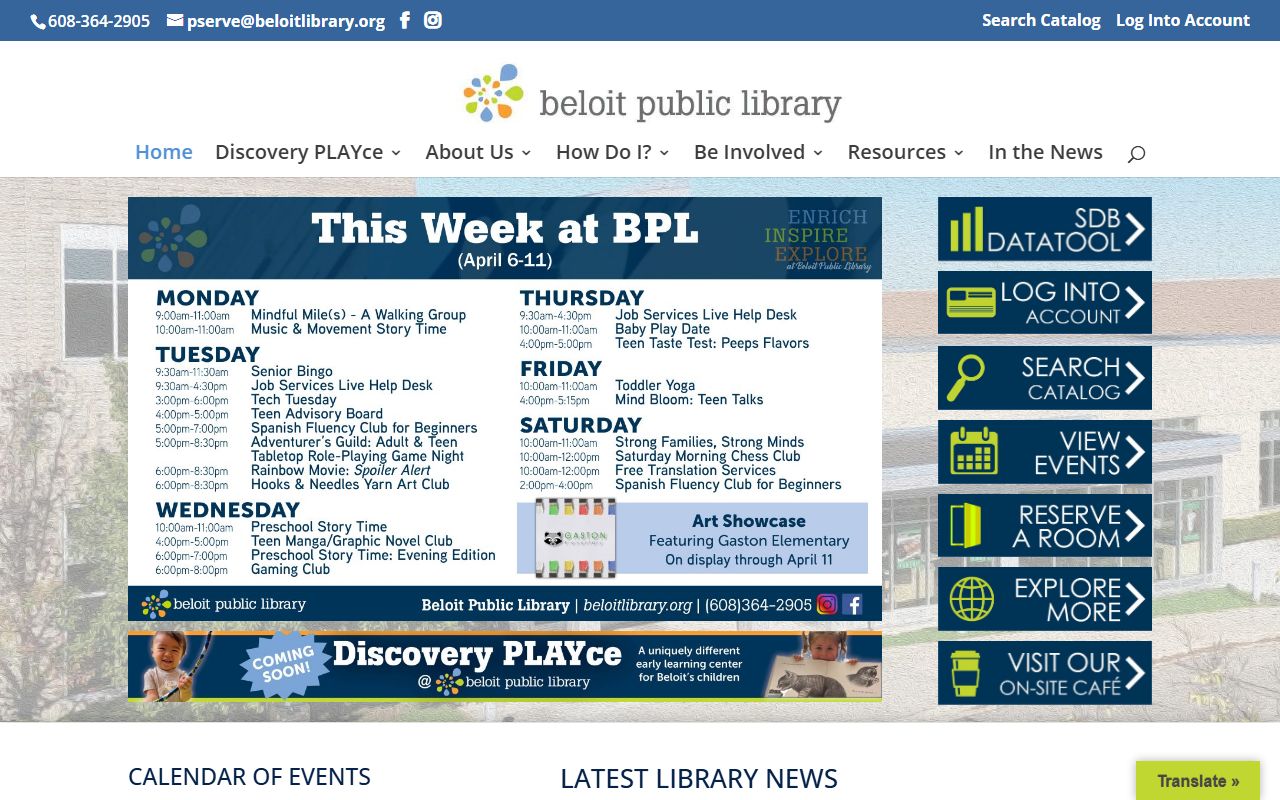
That view belongs here because the library combines family folders, books, directories, and photo collections in one place.
The manifest links the historical society image to the Beloit Historical Society website, which preserves local archives and research materials for Beloit genealogy.
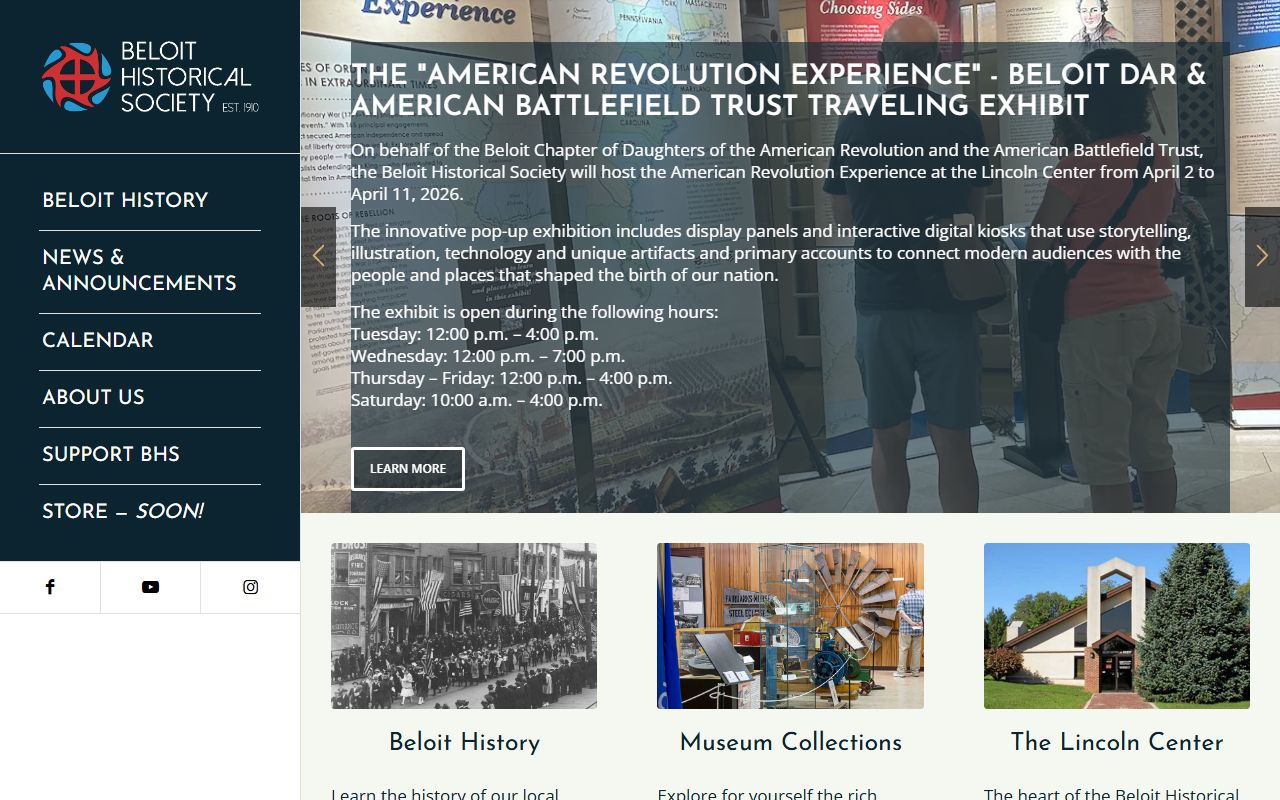
This image fits Beloit because the historical society adds the kind of neighborhood and family context that makes the record trail easier to trust.
Beloit Genealogy Help
The Beloit Historical Society is a good place to ask for help when a family line needs archives, local context, or a research path beyond the city clerk. The society has archives and a library, so it can support a search that begins with a surname and ends with a fuller community picture. Beloit genealogy often improves once a family is connected to a neighborhood, a veterans reference, or a local history note. The society can help make that connection feel concrete.
Beloit College Archives adds another kind of help because it combines civic records with newspapers, census data, directories, and maps. That makes it useful when you need a document trail that crosses more than one type of source. The public library is the everyday helper in that chain because it gives you database access, family folders, and indexed local books. If a line is hard to pin down, those three local institutions can work together in a way that keeps Beloit genealogy specific and manageable.
For broader support, the Wisconsin Historical Society, BadgerLink, Wisconsin State Genealogical Society, and Wisconsin courts are good state-level helpers when the search needs older Wisconsin context or court material. Those sources help most after the local repositories have already narrowed the date and the household.
Beloit Genealogy Access
Beloit genealogy access is straightforward once you know which office fits the clue. The city clerk handles administrative records and tax-roll related work. The public library handles local history and genealogy collections. The historical society handles archives and research assistance. Beloit College Archives handles long-running local collection material. Then Rock County provides the official birth, death, and marriage copy when you need the certified record.
That layered setup is important because the same family can appear in several places over several decades. A tax roll may point to a street, a directory may point to a business district, and a county vital copy may confirm the family relationship. Beloit genealogy works best when the search moves in that order. It keeps the family tied to the right household and makes the record trail easier to verify.
Keep these items ready before you search:
- Exact names and common spelling variants
- A year or short date range
- A street, neighborhood, or office clue
- The record type you want first
That small preparation step saves time across the city and county sources.
Note: Beloit genealogy is strongest when the city and county records are used as a chain rather than as separate searches.
Beloit Genealogy Next Steps
Begin with the city clerk if your clue comes from local government, taxes, or council work. Move to the public library when you need books, directories, family folders, or photographs. Add the historical society when the family story needs archives or veterans material. Use Beloit College Archives when you need newspapers, civic documents, or a broader Beloit Area Collection trail. Then finish with Rock County records for the official vital copy.
Beloit genealogy gets stronger each time one source confirms the next. A directory can support a census line. A newspaper item can support a family folder. A county certificate can confirm a long local trail. When the sources line up, the family history is much easier to trust and much easier to extend.